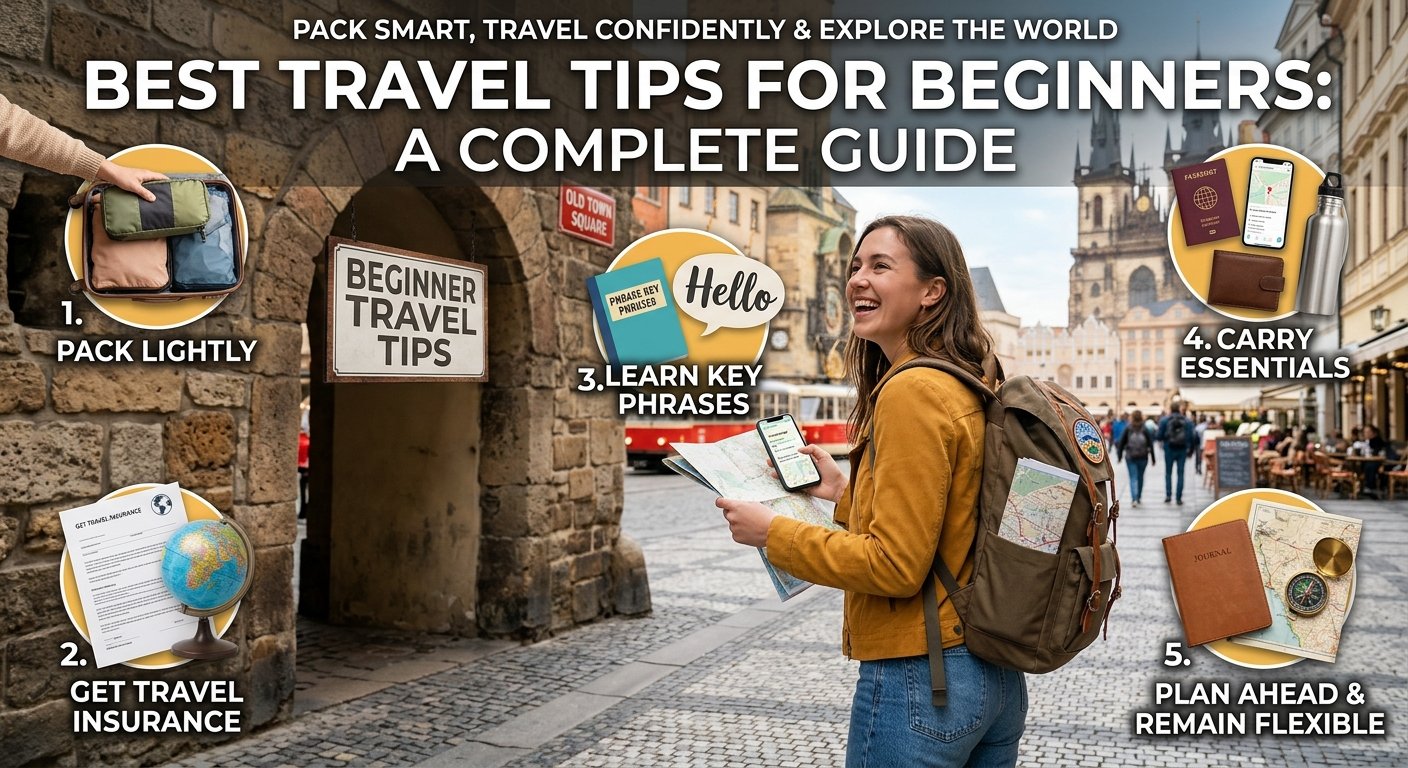
Traveling is one of the most exciting ways to explore the world, discover new places, experience different cultures, and create unforgettable memories. Whether you are planning your first family vacation, a solo trip, a weekend getaway, or an international adventure, traveling can be a wonderful experience. However, beginners often feel confused about where to start, what to pack, how to manage their budget, and how to prepare for unexpected situations. Having the right information before starting your journey can make traveling easier, safer, and more enjoyable.
Learning the best travel tips for beginners is essential for anyone who wants to enjoy a stress-free trip. Good travel planning does not mean organizing every minute of your vacation. Instead, it means understanding your destination, preparing important documents, choosing suitable accommodation, managing expenses, and knowing how to handle common travel challenges. With a little preparation and the right mindset, even your first trip can become a memorable experience.
In this complete beginner travel guide, we will discuss practical travel advice, budget-friendly travel ideas, packing essentials, transportation tips, accommodation planning, travel safety, and common mistakes to avoid. These simple travel tips will help you become a more confident traveler and enjoy your journey without unnecessary stress.
1. Start Planning Your Trip Early
One of the most important travel tips for beginners is to start planning early. Proper planning gives you enough time to research your destination, compare prices, arrange transportation, and prepare everything you need. Leaving everything until the last moment can create unnecessary stress and may increase your travel expenses.
Start by deciding where you want to go and how long you want to stay. Consider your available time, interests, travel budget, and the type of experience you want. For example, if you enjoy nature, you might prefer mountains, lakes, beaches, or national parks. If you are interested in history and culture, historical cities, museums, and traditional markets may be better choices.
After selecting your destination, research its popular attractions, local transportation, weather conditions, and accommodation options. Make a simple travel plan that includes the main places you want to visit. You do not need to schedule every activity because leaving some free time allows you to explore unexpected places and enjoy your trip naturally.
Early planning also helps you find better prices for flights, hotels, and other travel services. It gives you more choices and allows you to make decisions without rushing.
2. Choose the Right Travel Destination
Choosing the right destination is an important part of planning your first trip. Beginners should select a place that matches their interests, budget, travel experience, and comfort level. Visiting a destination that is too expensive or difficult to navigate may make your first travel experience challenging.
If you are traveling for the first time, consider starting with a destination that has reliable transportation, beginner-friendly accommodation, and easily accessible tourist attractions. Domestic travel can be a good starting point because it allows you to explore new places without dealing with complicated international travel requirements.
For example, travelers in Pakistan can explore beautiful destinations such as Hunza Valley, Swat, Murree, Naran, Kaghan, and Skardu. These places offer natural beauty, mountain views, cultural experiences, and opportunities for adventure.
If you are planning an international trip, research visa requirements, local laws, language differences, currency, and transportation facilities before making a final decision.
Remember that the best travel destination is not always the most expensive or famous place. A destination that suits your personal interests and budget can provide a much better experience.
3. Create a Realistic Travel Budget
Budget planning is one of the most useful travel tips for beginners. A realistic budget helps you control your spending and prevents financial problems during your trip. Many new travelers make the mistake of calculating only transportation and hotel expenses while forgetting food, entrance tickets, local transport, shopping, and emergency costs.
Before traveling, estimate how much money you will need for the entire journey. Divide your budget into different categories, such as transportation, accommodation, meals, sightseeing, shopping, and miscellaneous expenses.
You should also keep some extra money for unexpected situations. For example, transportation prices may change, you might need additional accommodation, or an unexpected expense could occur during your journey.
To save money, compare different transportation options, choose affordable accommodation, eat at reasonably priced local restaurants, and look for free tourist attractions. Booking important travel arrangements in advance may also help you find suitable prices.
Another helpful idea is to maintain a daily spending limit. This allows you to enjoy your vacation while keeping your expenses under control. Budget-friendly travel does not mean avoiding enjoyable activities. It means spending wisely and choosing experiences that provide good value.
4. Book Flights and Transportation Carefully
Transportation is an important part of every travel experience. Whether you are traveling by airplane, train, bus, or private vehicle, choosing the right transportation option can save time and money.
For international travel, compare flight prices from different airlines and booking platforms. Check baggage allowances, departure times, airport locations, and cancellation policies before confirming your booking. A cheaper ticket is not always the best option if it includes additional charges or inconvenient travel times.
For domestic trips, compare buses, trains, and private transport according to your destination and budget. Consider the total journey time, comfort, safety, and availability of transportation.
If you are traveling to an unfamiliar city, research how to reach your hotel from the airport or railway station. Knowing your transportation options in advance can help you avoid confusion after arriving.
It is also a good idea to save your tickets and booking confirmations on your phone. Keeping offline copies can be helpful if you experience internet connectivity problems during your journey.
5. Pack Smartly and Avoid Overpacking
Packing is one of the biggest challenges for beginners. Many first-time travelers pack too many clothes, unnecessary accessories, and items they never use. Carrying heavy luggage can make your journey uncomfortable, especially when changing transportation or walking long distances.
The best packing strategy is to prepare according to your destination, weather, travel duration, and planned activities. Make a packing checklist before organizing your luggage.
Choose comfortable clothes that can be mixed and matched easily. Pack suitable footwear, basic toiletries, weather-appropriate clothing, and any personal items you regularly need. If you are visiting a cold destination, include warm clothing, while hot destinations may require lightweight and breathable outfits.
Keep frequently needed items in an easily accessible bag. These may include your phone, wallet, travel documents, charger, water bottle, and essential personal belongings.
Avoid carrying unnecessary items because they take up space and make your luggage heavier. Smart packing allows you to move comfortably and enjoy your journey without worrying about too many bags.
6. Keep Important Travel Documents Safe
Travel documents are extremely important, especially when traveling internationally. Losing an important document can create serious problems and delay your journey.
Before leaving home, check that you have all the required documents. These may include your national identity card, passport, visa, flight tickets, hotel reservations, and travel insurance documents, depending on your destination.
Make digital copies of important documents and store them securely on your phone or in a protected online account. It is also useful to keep separate physical copies of essential information.
If you are traveling internationally, check your passport validity and visa requirements well before your departure date. Different countries have different entry rules, so always confirm the latest official requirements.
Keep your documents in a secure travel pouch or another safe place. Avoid leaving passports, identity documents, or important papers unattended in public areas.
Organizing your travel documents before departure can make airport procedures, hotel check-ins, and other travel arrangements much easier.
7. Choose Comfortable and Safe Accommodation
Finding suitable accommodation is another important part of a successful trip. Beginners should consider location, cleanliness, safety, facilities, and price before booking a hotel, guesthouse, or apartment.
A low-priced hotel may seem attractive, but it might be far away from major attractions or public transportation. This could increase your daily transportation expenses and waste valuable travel time.
Read recent guest reviews and check photographs of the property before making a reservation. Pay attention to comments about cleanliness, staff behavior, security, internet access, and nearby facilities.
Choose accommodation that fits your travel needs. Families may prefer hotels with larger rooms and family-friendly facilities, while solo travelers may prioritize convenient locations and reliable security.
Before confirming a reservation, carefully read the cancellation policy, check-in time, check-out time, and any additional charges.
Always use trusted booking services or communicate directly with verified accommodation providers. A comfortable and well-located place to stay can make your entire travel experience more enjoyable.
8. Research Your Destination Before Arriving
Researching your destination is one of the smartest things beginners can do before traveling. Understanding the local environment helps you avoid confusion and makes it easier to enjoy your surroundings.
Learn about the destination’s weather, local customs, popular attractions, transportation system, and general travel conditions. Find out whether you need special clothing or equipment for particular activities.
It is also helpful to learn a few common local phrases. Simple expressions such as hello, thank you, please, and excuse me can make communication easier and help you interact respectfully with local people.
Check whether your destination has reliable mobile internet and identify useful applications for maps, translation, transportation, and travel information.
You should also research local rules and cultural expectations. Some places have specific guidelines regarding clothing, photography, religious locations, and public behavior.
A little research before departure can help you feel more confident and prepared when exploring a new destination.
9. Travel Light and Keep Your Belongings Organized
Traveling light makes every journey more comfortable. When you carry fewer bags, moving between hotels, airports, bus stations, and tourist attractions becomes easier.
Try to organize your luggage into separate sections. Use small packing organizers for clothes, toiletries, electronic accessories, and other belongings. This makes it easier to find things without unpacking your entire bag.
Keep your most valuable items secure and avoid displaying expensive belongings unnecessarily in crowded public areas. Use luggage tags with appropriate contact information, but avoid displaying sensitive personal details publicly.
If you are carrying a backpack, make sure it is comfortable and suitable for your journey. Choose a size that can hold your essentials without becoming too heavy.
Before leaving your accommodation, check that you have your phone, wallet, documents, keys, and other important items.
An organized travel bag saves time and reduces the chances of forgetting something important.
10. Learn Basic Travel Safety Rules
Travel safety should always be a priority, especially for beginners visiting unfamiliar destinations. Although traveling can be exciting, staying aware of your surroundings helps prevent common problems.
Keep your belongings secure and avoid carrying large amounts of cash in one place. Use trusted transportation services and confirm the identity of accommodation providers before sharing personal information.
When exploring a new area, pay attention to local surroundings and avoid unfamiliar locations that appear unsafe. If you are traveling alone, share your general itinerary with a trusted family member or friend.
Save important contact information, including local emergency services, your accommodation, and relevant travel assistance contacts.
Be careful when accepting unexpected offers from strangers, especially when money, transportation, or personal information is involved.
For outdoor activities, follow local safety instructions and use qualified guides when necessary. Check weather conditions before hiking, boating, or participating in other outdoor activities.
Good travel safety habits do not need to make you nervous. They simply help you enjoy your journey with greater confidence.
11. Make an Itinerary but Stay Flexible
A travel itinerary helps you organize your activities and use your time effectively. Beginners often make the mistake of planning too many attractions in a single day, leaving little time for relaxation.
Instead, create a simple daily schedule with a few main activities. Consider the distance between attractions, transportation availability, opening hours, and the time required for each visit.
For example, if you are visiting a city for three days, you could dedicate the first day to famous landmarks, the second day to cultural attractions and local markets, and the third day to parks, museums, or relaxing activities.
However, avoid following your itinerary too strictly. Sometimes weather conditions, transportation delays, or unexpected opportunities may change your plans.
Leave some free time for discovering local cafés, exploring interesting streets, taking photographs, and enjoying the atmosphere.
A flexible travel itinerary provides the perfect balance between organization and freedom.
12. Try Local Food and Experience Different Cultures
One of the most enjoyable parts of traveling is discovering local food and experiencing different cultures. Every destination has its own traditions, cooking styles, festivals, and ways of life.
Trying local dishes can help you understand the culture of a place more deeply. Visit well-reviewed restaurants, local food markets, and traditional cafés to discover regional specialties.
However, choose food vendors carefully and pay attention to cleanliness and food preparation. If you have allergies or dietary restrictions, communicate them clearly before ordering.
Respect local customs and traditions when visiting religious or cultural locations. Dress appropriately, ask permission before photographing people, and follow local rules.
You can also learn about local history by visiting museums, historical buildings, cultural centers, and traditional markets.
Travel becomes more meaningful when you go beyond famous tourist attractions and take time to understand the people and traditions of your destination.
13. Keep Your Phone and Electronic Devices Ready
Modern travelers depend on smartphones for maps, bookings, communication, photographs, and travel information. Keeping your electronic devices ready can make your journey much easier.
Before leaving home, fully charge your phone and carry a suitable charger. A portable power bank can also be useful during long journeys when charging facilities are unavailable.
Download offline maps of your destination so you can navigate even without an internet connection. Save important booking information, addresses, and emergency contacts on your device.
If you are traveling internationally, research mobile data options, local SIM cards, and roaming charges before departure.
Keep your electronic devices protected from water, dust, and accidental damage. Use secure passwords and avoid connecting to unfamiliar public Wi-Fi networks when accessing sensitive accounts.
Having reliable access to your phone and essential travel information can help you manage unexpected situations more effectively.
14. Purchase Travel Insurance When Needed
Travel insurance is an important consideration, especially for international journeys. It may provide financial protection against certain unexpected events, depending on the policy.
Different travel insurance plans offer different types of coverage. Some may include emergency medical expenses, trip cancellation, baggage delays, lost luggage, or travel interruptions.
Before purchasing a policy, read the terms carefully and understand what is included and excluded. Check coverage limits, deductibles, claim procedures, and any restrictions related to your activities or destination.
Some countries or visa categories may require proof of travel medical insurance, so check the official requirements before departure.
Even if travel insurance is not compulsory, understanding your options can help you make a more informed decision.
15. Save Money with Budget-Friendly Travel Tips
Traveling does not always require a large amount of money. With careful planning, beginners can enjoy memorable trips while keeping expenses under control.
One useful strategy is to travel during less busy periods when suitable accommodation and transportation options may be more affordable. However, always consider weather conditions and seasonal attractions before choosing your dates.
Compare accommodation prices and look for places that provide essential facilities at reasonable rates. If appropriate for your trip, guesthouses and budget hotels can be practical alternatives to expensive properties.
Eating at local restaurants instead of expensive tourist locations may also help reduce food expenses. You can explore free attractions such as public parks, beaches, historical streets, and scenic viewpoints.
Another useful tip is to avoid unnecessary shopping. Set a shopping budget before traveling and focus on meaningful experiences rather than purchasing too many souvenirs.
The goal of budget travel is to enjoy more while spending responsibly.
16. Avoid Common Travel Mistakes
First-time travelers often make small mistakes that can affect their overall experience. Understanding these mistakes in advance can help you prepare more effectively.
One common mistake is failing to check travel documents before departure. Always confirm passport validity, visa requirements, tickets, and hotel reservations.
Another mistake is carrying too much luggage. Overpacking makes transportation difficult and may create additional baggage charges.
Some beginners also underestimate travel expenses. Remember to include meals, local transportation, entrance tickets, communication costs, and emergency expenses in your budget.
Avoid planning too many activities in a short period. Rushing from one attraction to another can make your trip exhausting instead of enjoyable.
Do not depend entirely on internet access. Download important maps, booking details, and travel information for offline use.
Finally, avoid making decisions without checking basic information. Whether you are booking accommodation, arranging transportation, or purchasing tickets, take time to compare available options.
Learning from common travel mistakes helps beginners become more organized and confident travelers.
17. Take Care of Your Health During Travel
Maintaining good health is important for enjoying your journey. Traveling can involve long journeys, changes in weather, different foods, and unfamiliar environments.
Drink enough clean water throughout the day, especially when visiting warm destinations or participating in outdoor activities. Eat balanced meals and try to maintain regular sleeping habits.
Pack basic personal care items and any medicines you have been prescribed. If you have specific health needs, discuss your travel plans with a qualified healthcare professional before departure.
Take regular breaks during long journeys and avoid making your schedule unnecessarily exhausting.
Protect yourself from excessive sunlight by using suitable clothing, sunscreen, and other appropriate precautions. When visiting cold destinations, wear weather-appropriate clothing to stay comfortable.
Good health habits help you maintain energy and enjoy your travel activities.
18. Travel Respectfully and Be a Responsible Tourist
Responsible tourism means enjoying new destinations while respecting local communities, cultures, and the natural environment.
As a traveler, you should avoid littering, damaging historical places, or disturbing wildlife. Follow environmental guidelines when visiting forests, mountains, beaches, and national parks.
Support local businesses by purchasing appropriate products from local shops and choosing local services when practical.
Respect cultural differences and avoid making negative judgments about traditions you may not understand. Every destination has its own customs, values, and social expectations.
When visiting natural attractions, remain on designated paths and follow instructions provided by park authorities or local guides.
Responsible travel creates positive experiences for visitors and helps protect destinations for future generations.
19. Keep Memories of Your Journey
Travel creates memories that can stay with you for years. Taking photographs, recording experiences, and collecting small souvenirs can help you remember the special moments of your journey.
You do not need an expensive camera to capture beautiful travel photographs. A smartphone can be enough for recording landscapes, architecture, food, and everyday experiences.
You can also maintain a simple travel journal. Write down the places you visited, interesting people you met, foods you tried, and lessons you learned.
Keep digital copies of your photographs in a secure backup location. This can help protect your memories if your phone or camera is lost or damaged.
Remember to enjoy the actual experience instead of spending the entire trip taking photographs. Some of the best travel memories come from moments when you simply explore and appreciate your surroundings.
20. Enjoy Your First Trip and Build Travel Confidence
Your first trip does not need to be perfect to be enjoyable. Small delays, unexpected changes, and unfamiliar situations are normal parts of traveling.
Instead of worrying about every detail, focus on being prepared, staying flexible, and enjoying the experience. If something does not go according to plan, take a moment to understand the situation and consider your available options.
Start with manageable trips and gradually explore destinations that require more planning and experience. Every journey teaches you something new about transportation, accommodation, budgeting, communication, and cultural differences.
You will become more comfortable with travel planning as you gain experience. Over time, you will learn which items are essential, how to organize your schedule, and how to make better travel decisions.
The most important beginner travel tip is to enjoy the journey while remaining responsible and prepared.
Conclusion
Traveling is a wonderful opportunity to explore new destinations, discover different cultures, meet people, and create unforgettable memories. However, a successful journey begins with proper preparation and smart decisions. By following the best travel tips for beginners, you can avoid common mistakes, manage your budget, pack efficiently, choose suitable accommodation, and stay safe throughout your trip.
Remember to research your destination, organize your travel documents, compare transportation options, and prepare a realistic itinerary. Keep your luggage light, respect local traditions, and remain flexible when unexpected situations arise. You do not need to spend a fortune to enjoy a memorable vacation. Careful planning and responsible spending can help you experience more while staying within your budget.
Whether you are planning a short weekend getaway, a family vacation, or your first international adventure, these beginner-friendly travel tips can help you start with confidence. Every experienced traveler was once a beginner, and every journey provides an opportunity to learn something new. Start planning, stay prepared, and make your next travel experience enjoyable, safe, and unforgettable.
Leave a Reply