Category: home

  • Solo Travel Guide: Tips for Safe and Memorable Adventures

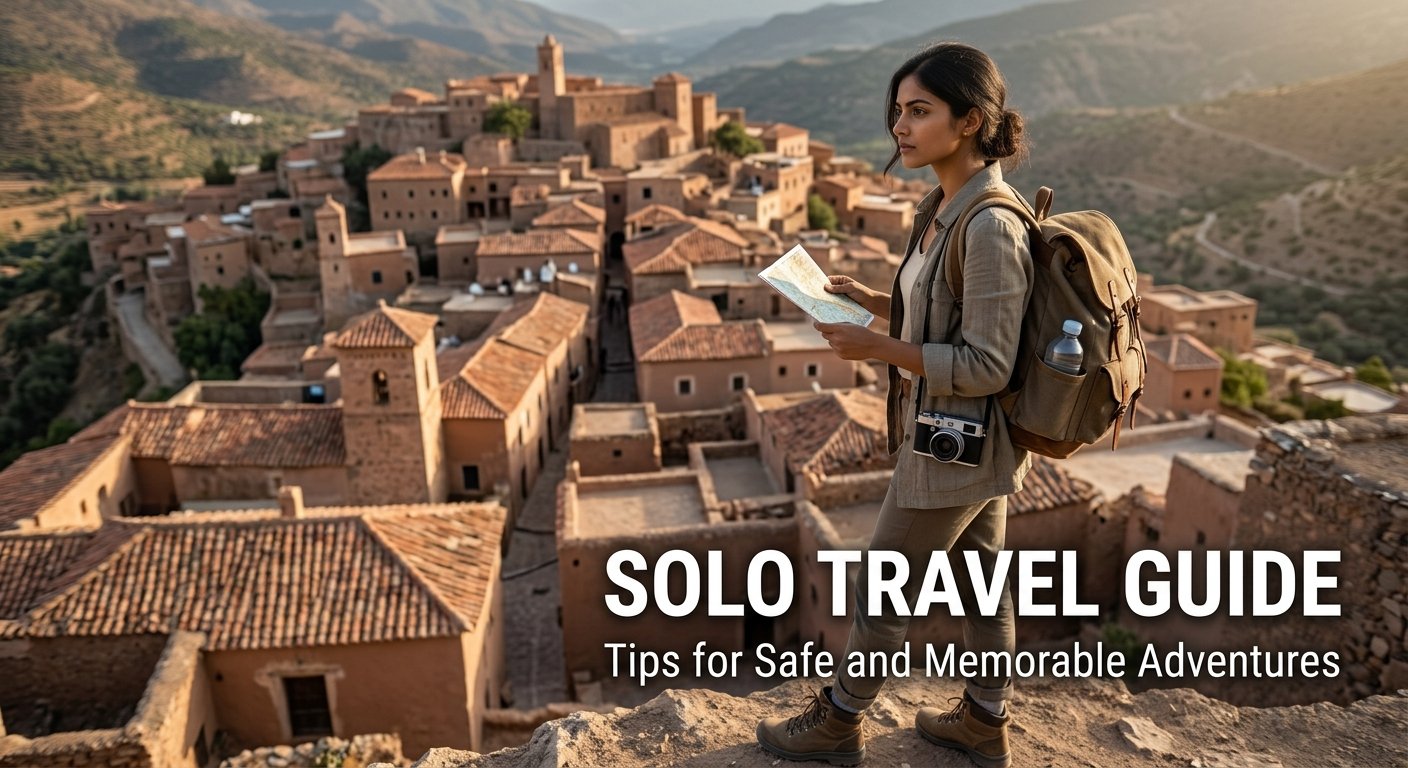
    Solo Travel Guide: Tips for Safe and Memorable Adventures

    Introduction

    Solo travel is one of the most exciting ways to explore the world. It gives you the freedom to visit new places, discover different cultures, meet interesting people, and enjoy new experiences at your own pace. Whether you are planning a short weekend trip or a longer holiday, travelling alone can help you become more independent, confident, and organized.

    Many people think solo travel is difficult or risky, especially for beginners. However, with proper planning and sensible safety precautions, it can be an enjoyable and rewarding experience. You do not need to be an experienced traveller to start exploring on your own. You simply need to choose a suitable destination, prepare carefully, and stay aware of your surroundings.

    In this guide, you will discover practical solo travel tips, including how to choose a destination, plan your budget, arrange accommodation, stay safe, meet new people, and make unforgettable memories during your journey.

    1. Choose the Right Destination for Your First Solo Trip

    Choosing the right destination is one of the most important steps when planning a solo adventure. For your first trip, it is better to select a place that is easy to explore, has reliable transportation, and offers visitor-friendly facilities.

    Start by researching destinations that match your interests. If you enjoy nature, you might prefer mountains, lakes, beaches, or peaceful countryside locations. If you enjoy history and culture, consider cities with museums, historical buildings, and cultural attractions.

    Before making a decision, check the following factors:

    • General safety and local travel conditions.
    • Availability of public transportation.
    • Accommodation options.
    • Local language and communication.
    • Weather conditions during your visit.
    • Travel costs and available facilities.

    A nearby destination can be an excellent starting point. You can first try a short daytime trip to a familiar city or tourist attraction before planning a longer journey.

    2. Research Your Destination Before Travelling

    Good research helps you understand what to expect during your trip. Before leaving, learn about the destination’s popular attractions, local customs, transportation system, and important facilities.

    Search for reliable travel information and read recent reviews from other visitors. Check official tourism websites for updated information about attractions, entry requirements, and local travel guidance.

    It is also useful to identify important locations before arriving, such as:

    • Your accommodation.
    • Nearby restaurants and grocery stores.
    • Tourist information centres.
    • Public transportation stations.
    • Hospitals and pharmacies.
    • Police stations and emergency services.

    Save important addresses and contact numbers on your phone. Keep an offline copy of essential information in case your internet connection becomes unavailable.

    3. Create a Realistic Travel Budget

    Budget planning is essential for a successful solo trip. When travelling alone, you may need to manage all expenses yourself, so it is important to understand how much money you can comfortably spend.

    Start by estimating your main travel costs. These usually include transportation, accommodation, meals, sightseeing, local travel, and other personal expenses.

    Create a simple budget before booking anything. Compare different transportation and accommodation options instead of choosing the first available option.

    Some useful money-saving ideas include:

    • Book transportation in advance when prices are reasonable.
    • Compare accommodation prices and reviews.
    • Choose affordable local food options.
    • Visit free museums, parks, and public attractions.
    • Use public transportation where it is safe and convenient.
    • Keep a small emergency fund separate from your daily spending money.

    Avoid spending your entire budget on the first few days. Divide your money according to the length of your journey and keep track of your expenses.

    4. Book Safe and Comfortable Accommodation

    Accommodation plays an important role in solo travel. A comfortable and secure place to stay can make your entire experience more enjoyable.

    Before booking a hotel, guesthouse, or other accommodation, read recent reviews carefully. Pay attention to comments about cleanliness, staff behaviour, location, security, and transportation access.

    Consider accommodation that is:

    • Located in a well-known and convenient area.
    • Close to public transportation.
    • Properly reviewed by previous guests.
    • Equipped with secure entry arrangements.
    • Easy to reach from major transport stations.

    Do not select accommodation based only on the lowest price. A slightly more expensive place in a suitable location may save time and provide greater peace of mind.

    Once your booking is confirmed, save the address and reservation details. Share your accommodation information with a trusted family member or friend.

    5. Pack Smart and Carry Only Essential Items

    Packing properly can make solo travel much easier. Since you will be managing your own luggage, avoid carrying unnecessary items.

    Make a packing list before starting. Choose comfortable clothes according to the weather and activities you have planned.

    Some important travel essentials include:

    • Identification documents.
    • Booking confirmations and travel tickets.
    • Mobile phone and charger.
    • Power bank.
    • Comfortable walking shoes.
    • Basic toiletries.
    • Weather-appropriate clothing.
    • Reusable water bottle.
    • Small first-aid kit.
    • Emergency contact information.

    Keep valuable documents and important belongings secure. It is also helpful to keep digital copies of important documents in a secure location.

    Try to use a comfortable backpack or suitcase that you can manage without difficulty. Packing light gives you more freedom to move around and makes changing transportation easier.

    6. Keep Your Family or Friends Informed

    When travelling alone, communication is an important part of staying safe. Before starting your journey, tell a trusted family member or friend about your travel plans.

    Share your basic itinerary, accommodation details, and expected travel dates. Let them know when you arrive at your destination and if your plans change significantly.

    You can also arrange regular check-ins during the trip. For example, send a short message after reaching your accommodation or completing a long journey.

    Keep your phone charged and make sure you know how to contact someone if you need assistance.

    Staying connected does not mean you cannot enjoy independence. It simply provides an additional layer of safety and reassurance.

    7. Stay Aware of Your Surroundings

    Being aware of your surroundings is one of the most useful habits for solo travellers. Pay attention to the people, places, and activities around you, especially in unfamiliar areas.

    Avoid walking through isolated locations without a clear reason. If an area feels uncomfortable or unsafe, leave and move towards a busy public place.

    A few simple habits can help:

    • Keep your belongings close.
    • Avoid displaying expensive items unnecessarily.
    • Stay alert when using your phone in public.
    • Check your route before leaving.
    • Use well-known transportation services.
    • Avoid accepting unexpected travel offers from strangers.

    Trust your judgment. If something does not feel right, you do not need to continue with the situation.

    8. Plan Your Transportation in Advance

    Transportation can be challenging when travelling alone, particularly in an unfamiliar city. Planning your routes ahead of time can help you avoid confusion and unnecessary delays.

    Research the available transportation options, such as buses, trains, official taxis, and other reliable services.

    Before using public transportation, learn how to purchase tickets, check schedules, and identify the correct stations. Keep your destination address saved so you can show it when necessary.

    For longer journeys, confirm your departure time and arrival location in advance. Allow extra time for delays and keep your important belongings secure.

    Avoid getting into unmarked or unofficial vehicles. Use trusted transportation providers and share your journey details with someone you trust when appropriate.

    9. Learn Basic Local Language and Customs

    Learning a few basic phrases in the local language can make your trip more enjoyable. You do not need to become fluent, but simple words can help you communicate with local people.

    Useful phrases include:

    • Hello.
    • Thank you.
    • Please.
    • Excuse me.
    • Where is the bus station?
    • How much does this cost?
    • Can you help me?

    Also, learn about local customs and traditions before arriving. Different places may have different expectations regarding clothing, greetings, public behaviour, and photography.

    Respecting local culture helps you communicate politely and enjoy a more meaningful travel experience.

    10. Meet New People Carefully

    One of the enjoyable parts of travelling is meeting people from different backgrounds. Solo travel can provide opportunities to talk with other visitors, join group activities, and learn about local culture.

    You can meet people through organized sightseeing tours, public cultural events, educational activities, and group travel experiences.

    However, always use good judgment when interacting with strangers. Meet new people in public places and avoid sharing personal information such as your home address, private contact details, or travel arrangements with people you do not know well.

    You should never feel pressured to accept an invitation or continue a conversation. It is perfectly fine to politely say no.

    11. Enjoy Local Food and Culture

    Food is an important part of discovering a new destination. Trying traditional dishes can help you understand the culture and lifestyle of the local community.

    Research popular local foods before your trip. Read reviews and choose clean, well-reviewed restaurants or food establishments.

    If you have dietary preferences or allergies, learn how to explain them in the local language. Check food ingredients when necessary.

    You can also explore local culture through:

    • Traditional markets.
    • Museums and art galleries.
    • Historical buildings.
    • Cultural festivals.
    • Local music and performances.
    • Traditional crafts and shopping areas.

    Be respectful when photographing people, religious places, or private property. Ask permission whenever appropriate.

    12. Use Technology to Make Travel Easier

    Technology can make solo travel more organized and convenient. Your smartphone can help you navigate unfamiliar places, manage bookings, communicate with others, and find useful information.

    Some helpful digital tools include:

    • Map applications for directions.
    • Translation applications for communication.
    • Weather applications for forecasts.
    • Official transportation applications.
    • Travel booking platforms.
    • Digital notes for saving important information.

    Download offline maps before leaving your accommodation, especially if you expect limited internet access.

    Protect your personal information by using strong passwords and avoiding sensitive activities on unsecured public Wi-Fi networks.

    Keep your phone updated and make sure you know how to access important information if your battery runs low.

    13. Keep Important Documents Safe

    Travel documents are essential, so protecting them should be a priority. Depending on your destination, you may need identification, tickets, reservations, permits, or a passport.

    Before travelling, check which documents are required and make sure they are valid.

    Keep original documents in a secure place and carry only what you need during daily activities. Save digital copies separately so you can access important details if necessary.

    Do not share photographs of sensitive documents publicly or send them to unknown people.

    If you are travelling internationally, research entry requirements, visa rules, and travel regulations through official government sources before booking your journey.

    14. Prepare for Unexpected Situations

    Even well-planned trips can include unexpected changes. Transportation may be delayed, weather conditions may change, or an attraction may close unexpectedly.

    The best approach is to stay calm and have a backup plan.

    Keep emergency contact numbers available and identify nearby public assistance facilities. Maintain some extra money for unexpected expenses and avoid depending on a single payment method.

    If you lose an important document or experience a serious problem, contact the relevant official authorities or service provider for help.

    It is also wise to have travel insurance when appropriate, especially for international journeys. Read the coverage details carefully so you understand what is included and excluded.

    15. Make a Flexible Daily Itinerary

    A daily itinerary helps you organize your activities and make better use of your time. However, your schedule should not be so crowded that you cannot enjoy the journey.

    Choose two or three main activities for each day and leave some free time for unexpected discoveries.

    For example, a simple city exploration day might include visiting a historical attraction in the morning, enjoying lunch at a local restaurant, and spending the afternoon at a public park or museum.

    Check opening hours and ticket requirements before visiting popular attractions.

    A flexible schedule allows you to enjoy your surroundings without feeling rushed. It also makes it easier to adjust your plans if the weather or transportation conditions change.

    16. Take Photos and Record Your Memories

    Solo travel creates opportunities to collect meaningful memories. Photography is a simple way to remember beautiful places, interesting experiences, and special moments.

    Take pictures of landscapes, buildings, food, local markets, and other attractions. You can also keep a small travel journal to record what you learned and enjoyed each day.

    However, do not spend your entire trip looking through a camera or phone screen. Take time to enjoy the experience directly.

    Be careful when using your phone in crowded areas and avoid sharing your live location or detailed travel schedule publicly.

    Your best memories will often come from experiences rather than photographs.

    17. Manage Your Time and Energy

    Travelling can involve long walks, changing transportation, and exploring unfamiliar locations. It is important to manage your time and energy throughout the journey.

    Avoid planning too many activities in one day. Include breaks for meals, rest, and personal time.

    Wear comfortable clothing and shoes suitable for your activities. Check the weather forecast and prepare accordingly.

    If you feel tired, adjust your plans rather than forcing yourself to complete every activity.

    A successful solo trip is not about visiting the largest number of places. It is about enjoying the journey at a comfortable pace.

    18. Respect Nature and Local Communities

    Responsible travel helps protect destinations for future visitors and local communities.

    When visiting natural attractions, follow marked paths and respect safety signs. Do not leave rubbish behind, disturb wildlife, or damage plants.

    Support local businesses when possible by purchasing appropriate local products and choosing responsible tourism services.

    Respect the privacy of residents and follow local rules at religious, historical, and cultural sites.

    Small responsible actions can make a positive difference and help preserve the beauty of the places you visit.

    19. Learn from Every Travel Experience

    Every journey teaches something new. You may learn how to manage your budget, communicate with different people, organize transportation, or solve unexpected problems.

    After completing your trip, take some time to think about your experience.

    Ask yourself:

    • Which activities did I enjoy most?
    • Was my budget realistic?
    • Did I pack the right items?
    • Which arrangements could be improved?
    • What would I like to explore next time?

    You can write down useful lessons and keep them for future journeys. Each experience can help you become a more organized and confident traveller.

    20. Start with Small Solo Adventures

    If you are new to solo travel, you do not need to begin with a long international journey. Starting small is a practical way to build experience.

    You might begin with a daytime visit to a nearby tourist attraction, a museum, or a well-known public place.

    Plan your transportation, tell someone you trust about your schedule, and return at the planned time.

    As you become more familiar with travelling independently, you can consider longer trips with suitable planning and support.

    For younger travellers, it is especially important to follow family guidance, age-related travel rules, and accommodation requirements. Some hotels, transport providers, and tour services have minimum-age policies, so check these before making arrangements.

    Conclusion

    Solo travel can be an exciting opportunity to discover new destinations, learn about different cultures, and develop valuable life skills. It gives you the chance to explore at your own pace while becoming more independent and organized.

    However, a memorable journey begins with careful preparation. Choose a suitable destination, create a realistic budget, book reliable accommodation, pack essential items, and keep trusted people informed about your plans. Stay aware of your surroundings, respect local customs, and prepare for unexpected situations.

    You do not need to travel far to enjoy a meaningful adventure. Even a short trip to a nearby destination can provide valuable experiences and wonderful memories.

    With sensible planning, responsible decisions, and a flexible attitude, solo travel can become a rewarding way to explore the world one destination at a time.

    URL Slug: solo-travel-guide-safe-memorable-adventures
  • The Ultimate Travel Planning Checklist for Stress-Free Trips

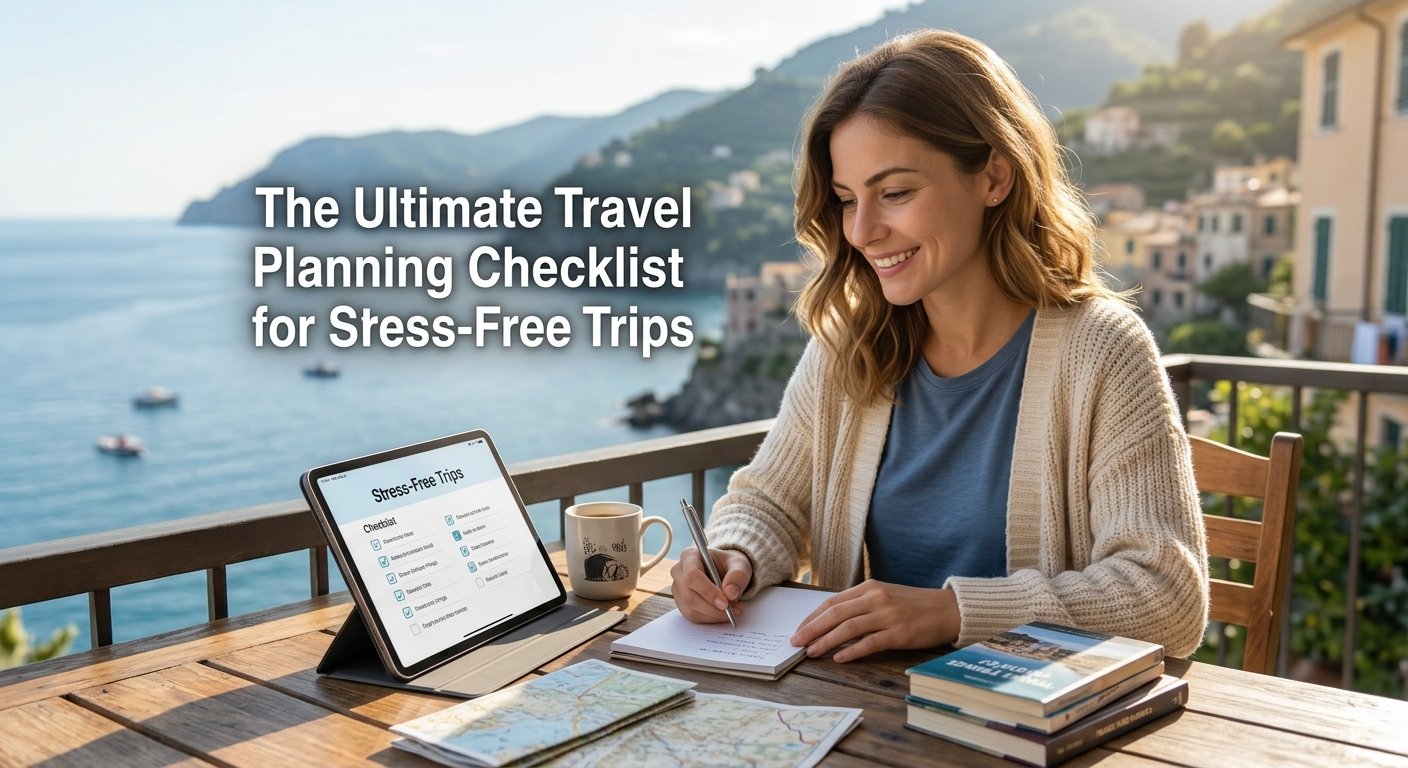
    The Ultimate Travel Planning Checklist for Stress-Free Trips

    Planning a trip can be an exciting experience, but organizing every detail can sometimes feel overwhelming, especially when you are traveling to a new destination for the first time. From choosing the right location and booking transportation to arranging accommodation, preparing travel documents, and packing essential belongings, there are many things to consider before leaving home. Forgetting even one important detail can create unnecessary stress and affect your overall travel experience.

    A well-organized travel planning checklist can make the entire process easier. Instead of trying to remember everything, you can follow a simple step-by-step plan that helps you prepare for your journey. Whether you are planning a family vacation, a weekend getaway, a business trip, or an international adventure, having a checklist allows you to stay organized and avoid common travel mistakes.

    The secret to stress-free travel is not planning every minute of your vacation. It is preparing the important details in advance while leaving enough flexibility to enjoy unexpected experiences. Good preparation helps you manage your budget, choose suitable accommodation, organize your luggage, and feel more confident throughout your journey.

    In this complete guide, we will explore the ultimate travel planning checklist, covering everything from the early planning stage to the final departure preparations. These practical travel tips will help beginners and experienced travelers organize a comfortable, enjoyable, and stress-free trip.

    1. Choose Your Travel Destination

    The first step in planning any successful trip is selecting the right destination. Your destination will influence your travel budget, transportation options, accommodation, packing requirements, and overall vacation experience.

    Start by thinking about the type of holiday you want. If you enjoy nature, mountains, beaches, forests, and lakes may be suitable choices. If you prefer history and culture, consider destinations with museums, historical buildings, traditional markets, and cultural attractions.

    Also consider your available travel time and budget. A nearby destination may be more suitable for a short weekend getaway, while an international vacation may require more preparation and financial planning.

    Before making your final decision, research the destination’s weather, tourist attractions, local transportation, accommodation prices, and general travel conditions.

    Make sure the destination is suitable for everyone traveling with you, especially if you are planning a family vacation.

    Choosing the right destination from the beginning makes the remaining travel planning process much easier.

    2. Decide Your Travel Dates

    Once you have selected your destination, decide when you want to travel. Your travel dates can affect transportation prices, accommodation availability, weather conditions, and the number of tourists at popular attractions.

    If your schedule is flexible, compare different dates to find suitable prices and comfortable weather conditions.

    Traveling during peak tourist seasons may offer access to popular festivals and activities, but accommodation and transportation can sometimes become more expensive.

    On the other hand, traveling during quieter periods may provide better prices and fewer crowds.

    Before confirming your dates, consider your work schedule, school holidays, family commitments, and the time required to reach your destination.

    Also, check whether any major public holidays, local events, or festivals will take place during your visit.

    Once your dates are finalized, you can move forward with transportation and accommodation arrangements.

    3. Set a Realistic Travel Budget

    Creating a travel budget is one of the most important parts of the travel planning checklist. A realistic budget helps you control your expenses and enjoy your trip without unnecessary financial pressure.

    Start by estimating the total amount you can comfortably spend. Divide your budget into different categories, including:

    • Transportation and flight tickets
    • Hotel or accommodation expenses
    • Food and drinks
    • Local transportation
    • Sightseeing and entertainment
    • Shopping and souvenirs
    • Travel insurance, where appropriate
    • Emergency expenses

    Research the average prices at your destination to make your estimates more realistic.

    You should also keep some extra money for unexpected situations. Transportation delays, additional meals, or changes in travel arrangements may increase your expenses.

    If you are traveling with family or friends, discuss the budget in advance so everyone understands the expected costs.

    Tracking your expenses throughout the trip can also help you remain within your planned budget.

    4. Research Your Destination Properly

    Before booking anything, spend some time researching your destination. Understanding the local environment can help you make better decisions and avoid common travel problems.

    Look for information about popular tourist attractions, local customs, transportation facilities, weather conditions, food options, and accommodation areas.

    Read recent traveler reviews to understand what other visitors experienced. Pay attention to comments about cleanliness, safety, service quality, and transportation convenience.

    It is also useful to identify nearby hospitals, pharmacies, supermarkets, and other essential services.

    If you are traveling internationally, research local currency, language differences, cultural expectations, and entry requirements.

    You can also save important locations on your digital map to make navigation easier.

    Proper research helps you feel more confident and prepared when you arrive at an unfamiliar destination.

    5. Book Your Transportation in Advance

    Transportation is an essential part of every travel plan. Whether you are traveling by airplane, train, bus, or private vehicle, arranging transportation in advance can make your journey more organized.

    For international trips, compare flight prices from different airlines and booking platforms. Check departure times, baggage allowances, airport locations, and ticket conditions before booking.

    For domestic journeys, compare buses, trains, and private transportation according to your budget and travel requirements.

    If you are traveling by car, check the vehicle’s condition, fuel requirements, route, and expected travel time before departure.

    Always save your tickets and booking confirmations on your phone. It is also helpful to keep an offline copy in case internet access is unavailable.

    Before traveling, confirm your departure time and make sure you understand where you need to arrive.

    Planning transportation carefully can help you avoid last-minute confusion and unnecessary expenses.

    6. Arrange Your Accommodation

    Finding suitable accommodation is another important step in preparing for a stress-free trip.

    Start by comparing hotels, guesthouses, apartments, and other accommodation options. Choose a place that matches your budget, travel style, and personal requirements.

    Location is particularly important. Staying near public transportation or major attractions can save time and reduce daily transportation expenses.

    Before making a reservation, read recent reviews and check photographs of the property.

    Pay attention to the following details:

    • Room cleanliness and facilities
    • Check-in and check-out times
    • Location and nearby transportation
    • Wi-Fi availability
    • Breakfast and meal options
    • Cancellation and refund policies
    • Additional taxes and service charges

    Once your accommodation is booked, save the confirmation and address on your phone.

    If possible, contact the property before arrival to confirm your reservation and clarify any special requirements.

    A comfortable and well-located place to stay can make your vacation much more enjoyable.

    7. Prepare Your Travel Documents

    Travel documents are essential, particularly when traveling internationally. Preparing them early can help you avoid delays and unnecessary stress.

    For domestic travel, carry the identification documents required for your journey. For international travel, you may need a valid passport, visa, flight tickets, accommodation confirmation, and other documents depending on the destination.

    Check your passport’s expiry date and verify the visa requirements before making international travel arrangements.

    You should also prepare digital copies of important documents and store them securely.

    Create a folder on your phone containing:

    • Passport or identification details
    • Flight or transportation tickets
    • Hotel reservations
    • Travel insurance information
    • Emergency contact numbers
    • Important booking confirmations

    Keep physical documents in a secure travel organizer.

    Always check the latest official entry requirements of your destination because immigration and travel rules can change.

    8. Purchase Travel Insurance When Necessary

    Travel insurance is worth considering, especially when planning international trips or vacations involving expensive bookings and activities.

    Depending on the policy, travel insurance may cover certain unexpected events, such as emergency medical expenses, trip cancellations, travel delays, and lost luggage.

    Before purchasing a policy, compare different options and carefully read the coverage details.

    Check what is included, what is excluded, and whether additional coverage is needed for specific activities.

    Some countries or visa categories may require proof of travel medical insurance, so research the official requirements before departure.

    Keep your insurance information and emergency contact details accessible during the trip.

    Travel insurance does not prevent unexpected problems, but suitable coverage may help reduce certain financial risks.

    9. Create a Detailed but Flexible Itinerary

    An itinerary helps you organize your activities and make the most of your available travel time.

    Start by listing the main attractions and experiences you want to enjoy. Then organize them according to their location and the number of days available.

    For example, if you are planning a four-day vacation, you could dedicate the first day to exploring the city, the second day to visiting historical attractions, the third day to outdoor activities, and the final day to shopping and relaxation.

    Research the opening hours, entrance fees, and transportation options for each attraction.

    Avoid scheduling too many activities in a single day because rushing between locations can make your vacation exhausting.

    Leave some free time for unexpected discoveries, relaxation, and local experiences.

    A flexible itinerary provides structure without taking away the freedom to enjoy your holiday.

    10. Prepare a Complete Travel Packing Checklist

    Packing is one of the most important stages of travel preparation. A proper packing checklist helps you remember essential items and avoid carrying unnecessary luggage.

    Start by checking the weather conditions and activities planned at your destination.

    Your basic packing list should include:

    Clothing

    • Comfortable everyday outfits
    • Weather-appropriate clothing
    • Sleepwear
    • Extra undergarments
    • Comfortable shoes
    • Suitable footwear for planned activities

    Toiletries

    • Toothbrush and toothpaste
    • Shampoo and soap
    • Deodorant
    • Face wash
    • Hairbrush
    • Personal care products

    Electronics

    • Mobile phone
    • Phone charger
    • Power bank
    • Headphones
    • Camera, if needed
    • Suitable travel adapter

    Personal essentials

    • Wallet and cash
    • Identification documents
    • Reusable water bottle
    • Sunglasses
    • Small backpack
    • Basic first-aid supplies

    Adjust this list according to your travel duration, destination, and personal needs.

    Packing a few days before departure gives you enough time to identify missing items.

    11. Check the Weather Forecast

    Weather conditions can influence almost every part of your vacation, including clothing, transportation, outdoor activities, and sightseeing plans.

    Before departure, check the weather forecast for your destination.

    If you are visiting a cold location, prepare warm clothing and suitable footwear. For hot destinations, pack lightweight clothing, sunscreen, sunglasses, and a hat.

    If rain is expected, consider carrying a compact umbrella or rain jacket.

    For mountain destinations, weather conditions may change quickly, so check local forecasts and follow safety guidance before outdoor activities.

    You should also keep some flexibility in your itinerary in case bad weather affects your planned activities.

    Checking the weather in advance helps you pack correctly and avoid unnecessary inconvenience.

    12. Organize Your Money and Payment Methods

    Managing money properly is important for a comfortable trip.

    Before departure, estimate how much cash you will need and identify the payment methods available at your destination.

    For international travel, research the local currency and exchange rates. Check whether your bank card works internationally and whether additional transaction fees apply.

    Carry a reasonable amount of cash for small purchases and situations where electronic payments are unavailable.

    Avoid keeping all your money in one place. Store important payment cards and emergency cash securely.

    You can also use a simple expense-tracking application or notebook to record your spending.

    If you are traveling with others, decide in advance how shared expenses will be divided.

    Organizing your finances before departure can help you avoid unnecessary money-related stress.

    13. Download Useful Travel Apps

    Travel applications can make your journey more convenient by helping you navigate unfamiliar places, organize bookings, and find useful information.

    Consider downloading applications for:

    • Maps and navigation
    • Flight and hotel bookings
    • Language translation
    • Local transportation
    • Weather forecasts
    • Budget tracking
    • Travel information

    Google Maps can help you explore locations and save useful places. Translation applications can make communication easier in destinations where you do not speak the local language.

    Download offline maps before departure, especially if you expect limited internet access.

    Also, save important hotel addresses, booking confirmations, and emergency contact details on your phone.

    Remember to protect your devices with secure passwords and avoid accessing sensitive accounts through unfamiliar public Wi-Fi networks.

    14. Arrange Airport and Arrival Transportation

    Many travelers focus on booking their flights but forget to plan how they will reach the airport and travel to their accommodation after arrival.

    Before departure, decide how you will reach the airport or railway station. Consider travel time, traffic conditions, parking, and transportation costs.

    For international trips, research how to travel from the destination airport to your hotel.

    Check whether public transportation, airport buses, official taxis, or pre-booked transfers are available.

    Save your accommodation address and transportation details on your phone.

    If you are arriving late at night, pay particular attention to the availability and safety of transportation services.

    Planning your arrival transportation in advance can make the first few hours of your trip much easier.

    15. Inform Family or Friends About Your Travel Plans

    Sharing your general travel plans with a trusted family member or friend is a useful safety precaution.

    Before leaving, tell someone your destination, expected travel dates, and accommodation details.

    You can also share your general itinerary and let them know how they can contact you during the journey.

    For international travel, save important local emergency numbers and the contact information of relevant authorities.

    If your travel plans change significantly, update the trusted person who knows your itinerary.

    You do not need to share every detail publicly. Keeping your travel information limited to trusted people is a sensible way to maintain privacy and safety.

    16. Complete Important Home Preparations

    Before leaving for a vacation, take some time to prepare your home.

    A few simple tasks can help prevent problems while you are away.

    Consider completing the following preparations:

    • Check that electrical appliances are switched off where appropriate.
    • Secure doors and windows.
    • Take out household waste.
    • Store food properly.
    • Arrange care for pets and plants if necessary.
    • Check that important household items are safe.
    • Inform a trusted person if someone needs to check on your home.

    If you are going away for an extended period, make sure necessary household arrangements have been completed.

    Preparing your home before departure allows you to enjoy your vacation without worrying about avoidable household problems.

    17. Confirm All Bookings Before Departure

    A final booking confirmation is an important part of the travel planning checklist.

    A few days before departure, review all your reservations and make sure the information is correct.

    Check your flight details, hotel booking, transportation arrangements, and activity reservations.

    Confirm the following information:

    • Departure date and time
    • Airport or station location
    • Passenger information
    • Baggage allowance
    • Accommodation address
    • Check-in and check-out times
    • Activity reservation details

    If you notice any incorrect information, contact the relevant service provider as soon as possible.

    Keep your booking confirmations organized in one place so you can access them quickly.

    This final review helps identify mistakes before they become bigger problems.

    18. Prepare for Unexpected Situations

    Even a well-planned vacation can involve unexpected changes. Flights may be delayed, weather conditions may change, or accommodation arrangements may need adjustment.

    Preparing for these situations can help you stay calm and make better decisions.

    Keep some emergency money separate from your regular spending budget.

    Save important phone numbers, booking information, and emergency contacts.

    If you are traveling internationally, understand how to contact your airline, accommodation provider, and travel insurance company.

    For outdoor activities, follow local safety instructions and avoid unnecessary risks.

    It is also important to remain flexible. If one activity becomes unavailable, consider another suitable option instead of allowing the situation to affect your entire vacation.

    Being prepared does not mean expecting problems. It simply means having a practical plan if something unexpected happens.

    19. Complete Your Final Travel Checklist One Day Before Leaving

    The day before departure is the perfect time to perform a final check.

    Review your packing list and make sure all important items are ready.

    Charge your phone, power bank, camera, and other electronic devices.

    Check your travel documents and confirm your transportation details.

    Make sure your wallet, cash, payment cards, and essential medicines are packed securely.

    If you are flying, check your airline’s latest baggage rules and review the recommended airport arrival time.

    Get enough rest before your journey, especially if you have an early departure.

    Avoid leaving important packing and booking tasks until the last minute.

    A final review helps you leave home feeling prepared and confident.

    20. Enjoy Your Trip and Stay Flexible

    Once all the planning is complete, remember that the purpose of traveling is to enjoy new experiences and create memorable moments.

    You do not need to follow your itinerary perfectly. Some of the best travel experiences happen when you discover unexpected attractions, meet interesting people, or explore places that were not originally included in your plans.

    Take photographs, try local food, learn about different cultures, and enjoy the atmosphere of your destination.

    At the same time, remain aware of your surroundings, respect local customs, and follow basic safety precautions.

    Take breaks when needed and avoid making your schedule unnecessarily exhausting.

    Travel planning should make your journey easier, not turn your vacation into another stressful responsibility.

    The right balance between preparation and flexibility is the key to an enjoyable travel experience.

    Conclusion

    A stress-free trip begins with proper planning and good organization. From choosing your destination and setting a realistic budget to booking transportation, arranging accommodation, preparing documents, and packing essential belongings, every step plays an important role in creating a successful vacation.

    Following the ultimate travel planning checklist can help you avoid common mistakes, manage your expenses, and feel more confident before leaving home. Remember to check the weather, organize your money, download useful travel applications, confirm your reservations, and prepare for unexpected situations.

    Most importantly, do not forget to leave some room for flexibility and relaxation. A successful vacation is not about following a perfect schedule. It is about enjoying your journey, discovering new experiences, and creating memories that last a lifetime.

    Whether you are planning a short weekend getaway, a family holiday, or an international adventure, these practical travel planning tips can help you prepare for a comfortable and enjoyable trip. Plan ahead, stay organized, and make every journey a wonderful experience.

    URL Slug: /ultimate-travel-planning-checklist/

  • How to Find Cheap Flights: 12 Money-Saving Tips

    How to Find Cheap Flights: 12 Money-Saving Tips

    Traveling by airplane is one of the fastest and most convenient ways to explore new destinations. Whether you are planning a family vacation, an international adventure, a business trip, or a short holiday, finding affordable flight tickets can help you save a significant amount of money. However, airline ticket prices can change frequently, and many travelers struggle to understand how to find the best deals.

    The good news is that you do not always need to pay expensive prices for air travel. With proper research, flexible travel dates, price comparisons, and smart booking strategies, you can find affordable flights without compromising your travel plans. Learning how to find cheap flights is especially useful for people who want to travel more often while keeping their expenses under control.

    Many beginners make the mistake of booking the first flight they find online. Others wait too long, ignore additional charges, or choose inconvenient routes simply because the advertised ticket price looks cheaper. Understanding how airline pricing works and knowing where to search can help you make better booking decisions.

    In this complete guide, we will explore 12 practical money-saving tips to help you find cheap flights. From comparing airline prices to choosing flexible travel dates, using flight comparison websites, and avoiding unnecessary booking fees, these strategies can help you plan affordable journeys and enjoy a better travel experience.

    1. Compare Flight Prices on Different Websites

    One of the easiest ways to find cheap flights is to compare prices across multiple travel websites. Different booking platforms may display different fares, available airlines, and travel options for the same route.

    Instead of booking the first ticket you find, take some time to explore different platforms. Flight comparison websites allow you to check several airlines and travel options in one place.

    Popular flight search platforms include Google Flights, Skyscanner, and Kayak. These services can help you compare departure times, airlines, ticket prices, and available routes.

    However, remember that comparison websites do not always include every airline or booking option. After finding a suitable flight, visit the airline’s official website and compare the final price.

    Check the total amount, including baggage fees, taxes, payment charges, and other additional costs.

    Comparing multiple options helps you understand the actual market price and identify flights that offer good value for money.

    2. Be Flexible With Your Travel Dates

    Flexibility is one of the most useful strategies for finding affordable airline tickets. Flight prices can vary depending on the travel date, season, demand, and availability.

    If your travel schedule is flexible, compare prices across several nearby dates instead of choosing only one specific day.

    For example, a flight on one date may be considerably more expensive than a similar flight one or two days earlier or later.

    You can use the date comparison features available on flight search platforms to identify cheaper travel periods.

    It is also helpful to compare different departure times. Early morning, afternoon, and late-night flights may have different prices depending on the route and airline.

    If you are planning a vacation, consider adjusting your travel dates according to available flight deals.

    Being flexible does not guarantee the cheapest ticket every time, but it gives you more opportunities to find affordable options.

    3. Book Your Flights in Advance

    Booking flights in advance can help you find suitable prices and avoid limited availability, particularly during busy travel seasons.

    When you wait until the last moment, fewer affordable seats may remain available. This can make it difficult to find a flight that matches your preferred departure time and budget.

    Start researching ticket prices as soon as your travel dates become clear. Compare available options and monitor prices before making your final decision.

    For popular holiday periods, school vacations, and major festivals, planning ahead is particularly important because demand can increase significantly.

    However, booking extremely early does not always guarantee the lowest price. Airlines use different pricing strategies, and fares can change throughout the booking period.

    Instead of following a fixed rule, monitor prices regularly and book when you find a suitable fare that meets your travel requirements.

    4. Travel During Off-Season Periods

    Traveling during the off-season is another effective way to reduce flight expenses.

    Many popular destinations experience high travel demand during summer holidays, winter vacations, festivals, and major public holidays. During these periods, airlines may increase prices because more people want to travel.

    If your schedule allows, consider visiting your destination during quieter travel periods.

    For example, traveling outside major holiday seasons may provide access to more affordable flights and accommodation.

    You may also enjoy a less crowded travel experience, making sightseeing and exploring local attractions more comfortable.

    Before choosing your dates, research the destination’s weather conditions and tourist season. Some destinations have seasonal weather challenges that may affect your activities.

    The shoulder season, which falls between peak and off-season periods, can also provide a good balance between weather, prices, and tourist crowds.

    Choosing the right travel season can help reduce the overall cost of your vacation.

    5. Use Flight Price Alerts

    Checking flight prices manually every day can take a lot of time. Price alerts make this process easier by notifying you when fares change for a selected route.

    Several flight search platforms provide price tracking features. You can select your departure city, destination, and preferred travel dates to monitor available fares.

    For example, Google Flights allows users to track prices for selected flights and receive notifications when prices change.

    Skyscanner also offers price alerts for certain routes and travel searches.

    These alerts can help you identify price increases or decreases without repeatedly searching for the same flight.

    However, remember that a price alert does not guarantee that you will receive the lowest available fare. Ticket prices can change quickly, and availability may be limited.

    Use price tracking as a research tool and compare the final booking price before making a decision.

    6. Consider Nearby Airports

    Another useful way to find affordable flights is to compare nearby airports.

    Some large cities have multiple airports, while smaller airports in nearby areas may offer different flight options.

    If you are traveling internationally, check whether departing from or arriving at an alternative airport could reduce your ticket price.

    For example, a flight from a nearby airport might be cheaper than the main airport in your city.

    However, always calculate the additional transportation expenses before choosing an alternative airport.

    You should consider:

    • Transportation to the airport
    • Additional travel time
    • Parking expenses
    • Local transportation at your destination
    • Possible overnight accommodation

    A cheaper airline ticket may not provide real savings if reaching the airport costs too much money.

    Compare the complete journey rather than focusing only on the advertised flight price.

    7. Look for Affordable Connecting Flights

    Direct flights are convenient because they take you straight to your destination without changing airplanes. However, connecting flights may sometimes offer lower ticket prices.

    A connecting flight includes a stop at another airport before reaching your final destination.

    If you are not in a hurry, comparing connecting flights can help you find additional travel options.

    For example, a direct flight between two major cities may be more expensive than a journey with one connection.

    However, connecting flights require careful planning. Check the total journey duration, airport locations, baggage arrangements, and connection times.

    If your tickets are booked separately, you may need to collect your luggage and complete check-in again. You may also have limited protection if the first flight is delayed.

    Whenever possible, understand whether your journey is covered by one booking or separate reservations.

    Connecting flights can be a good money-saving option when the total price and travel arrangements are suitable.

    8. Check Airline Websites for Special Offers

    Flight comparison websites are useful, but checking airline websites directly is also important.

    Some airlines advertise special promotions, seasonal discounts, and limited-time offers through their official websites.

    Visit the websites of airlines operating on your preferred route and compare their available fares.

    You may also find useful information about baggage allowances, seat selection, cancellation policies, and other booking conditions.

    Before purchasing a ticket through a third-party website, compare its final price with the airline’s official price.

    Direct booking can sometimes make it easier to communicate with the airline if you need to change your reservation or request assistance.

    However, this depends on the airline’s policies and the type of ticket you purchase.

    Always use official airline websites or trusted booking platforms to avoid misleading offers and unauthorized sellers.

    9. Avoid Unnecessary Baggage Fees

    Baggage fees can increase the total cost of your flight, especially when you are traveling with multiple bags.

    Some low-cost airlines advertise very affordable ticket prices but charge additional fees for checked luggage, larger cabin bags, or other services.

    Before booking, carefully check the baggage allowance included in your ticket.

    If you are traveling for a short period, consider using only the baggage allowance included with your ticket, provided it meets your needs.

    Pack essential clothing, toiletries, and personal belongings without carrying unnecessary items.

    Remember that airline baggage rules differ. Check the permitted dimensions, weight limits, and restrictions for both cabin and checked baggage.

    Do not assume that every airline includes the same baggage allowance.

    Understanding baggage policies before booking can help you avoid unexpected charges at the airport.

    10. Choose the Right Time to Book

    Many travelers wonder whether booking flights on a particular day of the week guarantees cheaper tickets.

    There is no universal booking day that always provides the lowest fares. Airline prices depend on several factors, including demand, route popularity, remaining seats, competition, and travel dates.

    Instead of relying on popular booking myths, focus on comparing prices regularly.

    You can monitor your preferred route for several days or weeks and study how prices change.

    Try comparing different departure dates and times to identify suitable options.

    Also, avoid making a booking decision based only on a temporary discount message. Check the total fare and compare it with other airlines.

    The best time to book is when you find a suitable ticket at a reasonable price that matches your travel requirements.

    Research and comparison are more reliable than depending on a fixed booking-day rule.

    11. Read the Full Ticket Details Before Payment

    Finding a cheap flight is important, but understanding the ticket conditions is equally necessary.

    Some low-priced tickets come with restrictions that may create additional expenses later.

    Before making payment, carefully review the following details:

    • Departure and arrival times
    • Airport locations
    • Baggage allowance
    • Seat selection charges
    • Cancellation policy
    • Ticket change conditions
    • Refund availability
    • Additional service fees

    Also, check your passenger information carefully. Your name and other required details should match your travel documents.

    If you are traveling internationally, verify the passport and visa requirements for your destination and any transit countries.

    A ticket that appears inexpensive may become expensive if you need to pay additional charges for basic services.

    Taking a few minutes to review the booking information can help you avoid unnecessary problems.

    12. Avoid Booking Scams and Unreliable Travel Websites

    While searching for cheap flights, you may come across websites advertising extremely low prices.

    Unfortunately, not every online travel offer is genuine. Some websites may use misleading advertisements, hidden fees, or unauthorized booking services.

    Always research a booking platform before sharing personal information or making payments.

    Use well-known travel websites or book directly through official airline platforms whenever possible.

    Check whether the website provides clear contact information, payment details, cancellation policies, and booking confirmation procedures.

    Be careful of sellers who demand unusual payment methods or pressure you to make immediate payments.

    After booking, verify your reservation using the airline’s official website or customer service channels.

    Never share your passport information, payment details, or other sensitive information with unverified sellers.

    Choosing a reliable booking platform is just as important as finding an affordable ticket.

    Bonus Tips to Save More Money on Flights

    In addition to the 12 main strategies, a few extra habits can help you manage your flight expenses more effectively.

    Use incognito mode when comparing prices: Private browsing can help limit locally stored browsing information, but there is no reliable evidence that using incognito mode automatically produces cheaper airline tickets.

    Check one-way and return fares: Sometimes comparing separate one-way tickets with a round-trip booking may reveal different prices. However, consider baggage, change policies, and connection risks.

    Avoid unnecessary add-ons: Seat selection, priority boarding, extra baggage, and other optional services can increase your final ticket price. Choose only the services you actually need.

    Compare total travel costs: A cheap flight with an inconvenient arrival time may require additional hotel or transportation expenses. Calculate the complete journey before booking.

    Subscribe to airline newsletters: Some airlines share promotional fares and travel offers through their official newsletters.

    Keep your travel plans organized: Save your booking confirmation, ticket details, and important travel information in one secure place.

    These additional habits can help you make better travel decisions and avoid spending money unnecessarily.

    Conclusion

    Finding cheap flights does not have to be difficult. With proper research, flexible travel dates, and smart booking decisions, you can reduce your air travel expenses and make your vacation more affordable.

    Start by comparing flight prices across different platforms and checking airline websites directly. Consider traveling during off-season periods, monitoring ticket prices, and exploring nearby airports. Connecting flights may also provide affordable alternatives when their schedules and conditions are suitable.

    Always check baggage allowances, additional charges, cancellation policies, and complete ticket details before making a payment. Most importantly, use reliable booking platforms and avoid offers that appear suspicious.

    Remember that the cheapest ticket is not always the best choice. A good flight should offer a reasonable price, convenient timing, reliable booking conditions, and suitable travel arrangements.

    Whether you are planning a family vacation, a weekend getaway, or an international adventure, these 12 money-saving tips can help you find affordable flights and manage your travel budget more effectively. Start comparing your options, plan ahead, and enjoy your next journey without spending more than necessary.

    URL Slug: /how-to-find-cheap-flights/

  • Essential Things to Pack for Every Trip: A Complete Travel Packing Guide

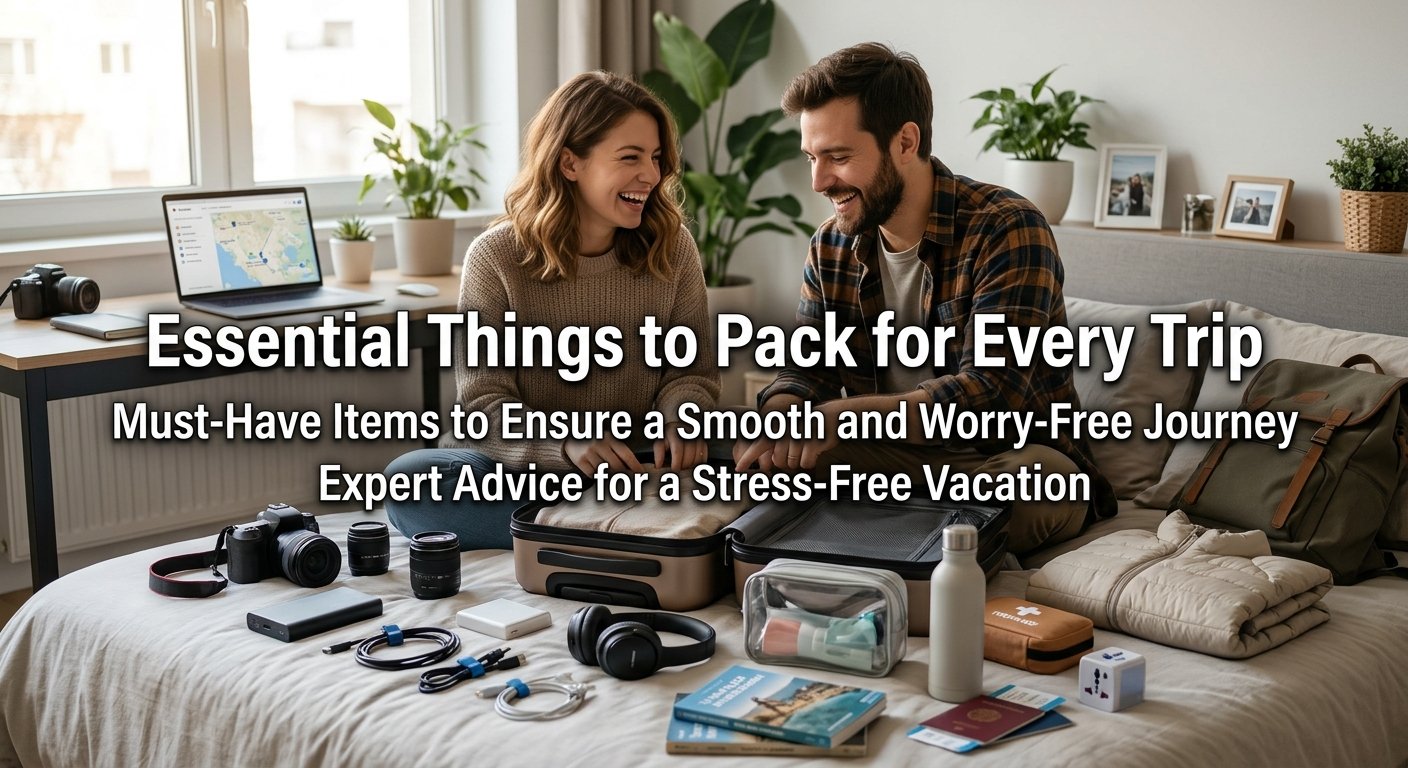
    Essential Things to Pack for Every Trip: A Complete Travel Packing Guide

    Packing is one of the most important parts of preparing for a successful trip. Whether you are planning a short weekend getaway, a family vacation, a business trip, or an international adventure, carrying the right items can make your journey more comfortable and stress-free. Many travelers feel confused about what to pack, how much luggage to carry, and which items are truly necessary. Some people pack too many unnecessary belongings, while others forget important essentials that they need during their journey.

    Creating a proper travel packing checklist can help you organize everything before leaving home. Instead of packing randomly, you can prepare according to your destination, weather conditions, travel duration, and planned activities. Having essential items ready also reduces the chances of spending extra money on things you could have brought from home.

    The best travel packing strategy is to focus on comfort, convenience, safety, and organization. You should carry enough clothing, personal care products, important documents, electronic accessories, and other useful items without making your luggage unnecessarily heavy.

    In this complete guide, we will discuss the essential things to pack for every trip, including clothing, toiletries, travel documents, electronics, medicines, safety items, and useful accessories. These practical packing tips will help beginners and experienced travelers prepare for a smooth and enjoyable journey.

    1. Comfortable Clothing for Your Destination

    Clothing is one of the first things to consider when preparing your travel luggage. The type and quantity of clothing you need will depend on your destination, weather conditions, travel duration, and planned activities.

    Before packing, check the weather forecast for your destination. If you are visiting a warm location, choose lightweight and breathable clothes that help you stay comfortable. For colder destinations, pack warm sweaters, jackets, comfortable trousers, and other suitable winter clothing.

    Try to select clothes that can be mixed and matched easily. Neutral colors and simple outfits can help you create different combinations without carrying too many items.

    For a short trip, you may only need a few everyday outfits and one additional set of clothing. For longer vacations, plan your clothing according to the number of days and whether laundry facilities will be available.

    Always include comfortable clothes for traveling, especially if you have a long journey. Avoid packing items that are uncomfortable or unsuitable for your planned activities.

    2. Essential Travel Documents

    Travel documents are among the most important things to pack because you may need them at airports, hotels, transportation stations, and other locations.

    For domestic travel, carry the identification documents required for your journey. For international trips, you may need a valid passport, visa, flight tickets, hotel reservation details, and other documents depending on your destination.

    Keep your important documents together in a secure travel pouch or document organizer. This makes it easier to find them whenever necessary.

    It is also useful to create digital copies of important documents and store them securely on your phone or in a protected online account.

    Before leaving home, check your passport validity, visa requirements, and booking confirmations. Different countries have different entry requirements, so always verify the latest official information before traveling.

    Keeping your documents organized can save time and prevent unnecessary problems during your trip.

    3. Toiletries and Personal Care Products

    Personal hygiene products are essential for maintaining comfort and cleanliness during travel. Instead of purchasing everything at your destination, prepare a small toiletry bag containing the items you regularly use.

    Your basic travel toiletries may include a toothbrush, toothpaste, shampoo, soap, face wash, deodorant, hairbrush, and other personal care products.

    You can use travel-sized containers to save space in your luggage. Small bottles are particularly useful for short trips because they reduce weight and make packing easier.

    Remember to pack items according to your personal requirements. If you use specific skincare or haircare products, include the necessary essentials.

    For air travel, check the airline and airport rules regarding liquids, gels, and toiletries in hand luggage. Liquid restrictions can vary depending on the airport and route.

    Keep your toiletries in a separate waterproof pouch to prevent accidental spills from damaging your clothes and other belongings.

    4. Comfortable Shoes and Footwear

    Choosing the right footwear can make a significant difference to your travel experience. During vacations, you may spend several hours walking, exploring tourist attractions, shopping, or participating in outdoor activities.

    Comfortable walking shoes should be one of your main packing priorities. Choose footwear that fits properly and is suitable for the activities you have planned.

    If you are visiting a beach destination, sandals or slippers may be useful. For mountain trips and outdoor adventures, suitable walking or hiking shoes can provide better comfort and support.

    You do not need to pack too many pairs of shoes. Select a few practical options that match your clothing and destination.

    It is also a good idea to avoid wearing brand-new shoes for long walks during your vacation. Comfortable, familiar footwear can help make your journey easier.

    5. Mobile Phone and Charger

    Your mobile phone is one of the most useful travel accessories. It helps you communicate with family, access maps, check bookings, take photographs, and search for important travel information.

    Before leaving, fully charge your phone and pack its charger. If you are traveling internationally, check whether you need a compatible power adapter for your destination.

    Save important information on your device, including hotel addresses, booking confirmations, transportation details, and emergency contacts.

    You should also download offline maps of your destination so you can navigate when internet access is unavailable.

    Keep your phone protected with a suitable case and screen protector. If you are traveling to an area with unpredictable weather, consider additional protection against water and dust.

    A charged and properly prepared phone can make your entire travel experience more convenient.

    6. Power Bank and Electronic Accessories

    A power bank is a useful travel accessory, especially during long journeys and sightseeing activities. It allows you to recharge your phone when electrical outlets are unavailable.

    Choose a reliable power bank with sufficient capacity for your devices. Before flying, check airline rules regarding power banks and spare lithium batteries. They generally need to be carried in cabin baggage rather than checked luggage, but specific limits and requirements may apply.

    Other useful electronic accessories may include:

    • Mobile phone charger
    • USB charging cable
    • Universal travel adapter
    • Earphones or headphones
    • Camera charger
    • Memory card
    • Laptop charger, if needed

    You do not need to carry every electronic accessory you own. Select only the items required for your journey.

    Keep your cables and chargers organized in a small electronic accessories pouch. This prevents them from getting tangled or lost inside your luggage.

    7. Basic First Aid and Personal Medicines

    Health-related essentials are important when traveling because you may not always have immediate access to the products you normally use.

    A small personal first-aid kit can include basic items such as adhesive bandages, antiseptic wipes, and other suitable first-aid supplies.

    If you regularly use prescribed medicines, carry enough for your trip along with a little extra in case of travel delays. Keep medicines in their original packaging and follow the instructions provided by your healthcare professional.

    For international travel, check the destination country’s rules regarding bringing medicines across its borders. Some medicines may require additional documentation.

    You should also consider your destination’s climate and planned activities when preparing your personal health supplies.

    Keep essential medicines in your hand luggage when appropriate, rather than placing everything in checked baggage.

    Being prepared with basic health essentials can help you manage minor travel-related needs more conveniently.

    8. Travel Backpack or Day Bag

    A comfortable backpack or day bag is useful for carrying your daily essentials while exploring a destination.

    You can use it to carry your phone, wallet, water bottle, sunglasses, snacks, travel documents, and other small belongings.

    Choose a lightweight bag with comfortable shoulder straps and enough compartments to keep your items organized.

    A bag with secure closures can also help protect your belongings in crowded tourist areas.

    For longer trips, you may need a larger suitcase for clothing and other belongings, while a smaller backpack can be used for everyday activities.

    Avoid carrying unnecessary items in your day bag because a heavy backpack can become uncomfortable during long walks.

    A well-organized travel bag makes sightseeing, shopping, and transportation much easier.

    9. Wallet, Cash, and Payment Cards

    Managing your money properly is another important part of travel preparation. Carry enough cash for small purchases, local transportation, and situations where electronic payments are unavailable.

    You can also carry suitable payment cards if they are accepted at your destination.

    Before international travel, research the local currency and available payment methods. Check your bank’s international transaction charges and any relevant card restrictions.

    Avoid keeping all your money in one place. Organize your cash and payment cards securely to reduce the inconvenience of losing your wallet.

    It is also useful to keep a small amount of emergency cash separate from your everyday spending money.

    For a more organized trip, prepare a simple daily spending budget and monitor your expenses throughout the journey.

    10. Weather Protection Essentials

    Weather conditions can change during travel, so packing suitable protection is important.

    If you are visiting a rainy destination, consider carrying a compact umbrella or lightweight rain jacket. These items can help you stay comfortable during unexpected rainfall.

    For sunny destinations, useful items include sunglasses, a suitable hat, and sunscreen. These can help protect you during outdoor activities.

    For cold destinations, pack warm clothing, gloves, scarves, and other weather-appropriate accessories.

    If you are planning outdoor activities, check the local weather forecast before departure and adjust your packing list accordingly.

    Avoid carrying unnecessary weather-related accessories. Choose practical items based on the actual conditions expected during your trip.

    11. Reusable Water Bottle

    Staying hydrated is important during every journey, especially when walking, sightseeing, or spending time outdoors.

    A reusable water bottle is a practical travel item because you can refill it whenever suitable clean drinking water is available.

    Choose a lightweight, leak-resistant bottle that fits easily into your backpack or day bag.

    Before traveling, check whether drinking water is readily available at your destination. In some places, you may need to purchase bottled water or use an appropriate water treatment option.

    For air travel, remember that airport security restrictions may apply to liquids in hand luggage. An empty reusable bottle is often a convenient option to carry through security and refill afterward where facilities are available.

    Using a reusable bottle can also reduce unnecessary plastic waste during your vacation.

    12. Sunglasses and Sun Protection

    Sunglasses are useful accessories for destinations with bright sunlight. They can make outdoor activities more comfortable and help protect your eyes from ultraviolet radiation when you choose sunglasses with proper UV protection.

    Along with sunglasses, consider packing sunscreen suitable for your skin and the activities you plan to enjoy.

    A lightweight hat or cap can provide additional shade during outdoor sightseeing.

    If you are visiting a beach, desert, or mountain destination, sun protection becomes especially important because exposure conditions may vary.

    Keep your sunglasses in a protective case to prevent scratches or accidental damage.

    These small accessories take up very little luggage space but can make a noticeable difference during outdoor activities.

    13. Travel-Sized Laundry Supplies

    For longer vacations, small laundry supplies can be surprisingly useful.

    You may want to carry a few laundry detergent sheets, a small amount of suitable detergent, and a lightweight laundry bag for separating used clothes.

    These items can help you manage your clothing during extended trips, especially when laundry facilities are limited.

    A separate bag for dirty clothes also helps keep your clean clothing organized.

    If you are staying in accommodation with laundry facilities, you may not need to carry additional laundry products.

    Packing a few practical laundry essentials can reduce the amount of clothing you need to carry and help keep your luggage organized.

    14. Snacks and Light Food Items

    Carrying a few snacks can be helpful during long journeys, especially when food options are limited or transportation schedules are unpredictable.

    You can pack suitable packaged snacks, nuts, biscuits, or other convenient food items according to your dietary needs.

    For road trips, snacks can make travel breaks more convenient. For flights, always check airline and airport rules regarding food items, particularly when traveling internationally.

    Choose foods that are easy to carry and do not require special storage conditions.

    Avoid carrying too much food because it can take up valuable luggage space and may become unnecessary once you reach your destination.

    A few simple snacks can help you stay comfortable between regular meals.

    15. Notebook and Pen

    Although smartphones are useful for storing travel information, a small notebook and pen can still be practical items.

    You can use them to write down important addresses, emergency contact details, shopping lists, daily expenses, and travel notes.

    A notebook can also become a personal travel journal where you record interesting experiences, memorable places, and useful information about your destination.

    If your phone battery runs out or electronic access becomes inconvenient, having written information can be helpful.

    Choose a small notebook that does not take up much space in your luggage.

    It is a simple item, but it can be useful in many travel situations.

    16. Personal Safety and Security Items

    Safety should always be an important part of your travel preparation. Carrying a few practical security items can help you protect your belongings and important documents.

    Consider using a luggage lock where appropriate, a secure travel pouch, and luggage tags with suitable contact information.

    You can also use small organizers to keep your wallet, documents, and valuable items separate from ordinary luggage.

    Before choosing any security accessory, check the transportation provider’s rules and make sure the item is permitted.

    Avoid displaying expensive belongings unnecessarily in crowded public areas. Keep your bags close to you and remain aware of your surroundings.

    If you are staying in a hotel, use the available security facilities where appropriate.

    Good security habits are often more important than carrying many additional accessories.

    17. Camera and Photography Accessories

    If you enjoy photography, carrying a camera can help you capture beautiful memories of your vacation.

    However, a separate camera is not essential for every traveler. Modern smartphones can take excellent photographs and may be enough for ordinary travel photography.

    If you decide to bring a camera, remember to pack its charger, memory cards, batteries, and a protective carrying case.

    For outdoor photography, a small tripod may be useful if it is permitted at your destination.

    Avoid carrying too much photography equipment if you are planning a simple sightseeing trip.

    Choose equipment according to your interests and the type of photographs you want to capture.

    Most importantly, enjoy the actual experience instead of focusing entirely on taking pictures.

    18. Organize Your Luggage with Packing Cubes

    Keeping your luggage organized can make packing and unpacking much easier. Packing cubes are useful accessories that help divide your belongings into separate sections.

    You can use different cubes for shirts, trousers, undergarments, accessories, and other clothing items.

    This organization makes it easier to find specific belongings without searching through your entire suitcase.

    Small waterproof pouches can also be useful for toiletries and other items that may leak.

    Another helpful strategy is to keep your frequently used items in easily accessible compartments.

    You do not need expensive organizers to manage your luggage. Simple cloth bags and small pouches can also work effectively.

    Organized luggage saves time and helps you maintain a cleaner travel space.

    19. Prepare a Separate Carry-On Bag

    If you are traveling by airplane, a separate carry-on bag can help you keep important items accessible during your journey.

    Your carry-on may contain travel documents, your phone, charger, essential medicines, a water bottle, headphones, and a change of clothes if needed.

    Keep valuable and important items with you rather than placing them in checked luggage.

    Before packing, check your airline’s rules regarding cabin baggage size, weight, prohibited items, and liquid restrictions.

    Make sure your carry-on bag is comfortable to carry and does not contain unnecessary belongings.

    A properly organized carry-on can make airport procedures and long flights more convenient.

    20. Create a Travel Packing Checklist Before Departure

    One of the easiest ways to avoid forgetting important items is to create a travel packing checklist before departure.

    A checklist allows you to organize your belongings according to different categories and confirm that everything is ready.

    You can divide your list into clothing, documents, toiletries, electronics, health essentials, and personal accessories.

    Start preparing your luggage a few days before traveling instead of waiting until the last moment.

    Once you have packed an item, mark it as completed. This simple habit can reduce stress and help you identify anything that is still missing.

    Before leaving home, perform a final check of your luggage, documents, accommodation details, and transportation bookings.

    Remember that every trip is different, so adjust your packing checklist according to your destination, weather, travel duration, and personal requirements.

    Conclusion

    Packing the right items is an important part of planning a comfortable and successful vacation. Whether you are traveling for a few days or several weeks, having the essential things ready can help you avoid unnecessary problems and enjoy your journey with confidence.

    Start by preparing suitable clothing, important travel documents, toiletries, comfortable shoes, electronic accessories, and personal medicines. Do not forget useful items such as a reusable water bottle, power bank, travel backpack, sunglasses, and a basic first-aid kit.

    The key to successful packing is choosing practical belongings rather than carrying everything you own. Organize your luggage, prepare a separate carry-on bag when necessary, and create a checklist before departure.

    Every destination has different requirements, so always consider the weather, local conditions, transportation rules, and planned activities when preparing your luggage.

    With proper preparation and smart packing habits, you can make your next journey more organized, comfortable, and enjoyable. Pack wisely, travel confidently, and focus on creating wonderful memories wherever your journey takes you.

    URL Slug: /essential-things-to-pack-for-every-trip/

  • How to Plan the Perfect Vacation on a Budget

    How to Plan the Perfect Vacation on a Budget

    Planning a vacation is one of the most exciting things you can do, but many people believe that traveling requires a large amount of money. In reality, you do not need an expensive budget to enjoy a wonderful holiday. With proper planning, smart decisions, and a little creativity, you can explore beautiful destinations, enjoy interesting activities, and create unforgettable memories without spending too much. Learning how to plan the perfect vacation on a budget can help you make the most of your money while enjoying a comfortable and stress-free travel experience.

    Whether you are planning a family holiday, a romantic getaway, a weekend trip, or an adventure with friends, managing your expenses is an important part of successful travel planning. From selecting an affordable destination to booking cheap accommodation, choosing budget-friendly transportation, and finding free activities, every decision can make a difference. A well-planned vacation allows you to enjoy more experiences without putting unnecessary pressure on your finances.

    In this complete guide, we will explore practical budget vacation planning tips, money-saving travel strategies, affordable accommodation ideas, transportation options, packing advice, and ways to avoid unnecessary expenses. These simple suggestions will help you organize the perfect vacation while keeping your spending under control.

    1. Set a Realistic Vacation Budget

    The first step in planning an affordable vacation is deciding how much money you can comfortably spend. A realistic travel budget helps you understand your financial limits and prevents unnecessary expenses during your trip.

    Start by calculating the total amount available for your vacation. Divide your budget into different categories, including transportation, accommodation, food, sightseeing, shopping, and emergency expenses. This will give you a clear idea of how much money you can spend on each part of your journey.

    For example, if you have a limited budget, you may decide to spend less on accommodation and transportation while keeping some extra money for sightseeing and enjoyable activities. You can also create a daily spending limit to control your expenses throughout the trip.

    It is important to keep a small emergency fund separate from your regular vacation budget. Unexpected transportation costs, additional meals, or changes in travel arrangements can sometimes increase your expenses.

    A realistic budget does not mean avoiding everything enjoyable. Instead, it helps you spend money on the experiences that matter most while avoiding unnecessary purchases.

    2. Choose an Affordable Travel Destination

    Your destination plays a major role in determining the total cost of your vacation. Some places are naturally more expensive because of high accommodation prices, transportation costs, restaurant expenses, and tourist activities. Choosing an affordable destination can help you enjoy a memorable holiday without exceeding your budget.

    Before selecting a destination, research different locations and compare their average travel expenses. Consider the cost of transportation, hotels, food, sightseeing, and other daily activities.

    If you are planning a vacation in Pakistan, you can explore beautiful destinations such as Murree, Swat, Naran, Kaghan, Hunza, and other scenic areas. The total cost will depend on your travel dates, accommodation choices, transportation, and activities.

    For international vacations, consider destinations that offer affordable accommodation, reasonably priced food, and accessible public transportation.

    You should also think about the type of experience you want. Nature lovers may enjoy mountains, lakes, and national parks, while people interested in culture may prefer historical cities and traditional markets.

    The best budget vacation destination is not necessarily the cheapest place. It is the destination that provides enjoyable experiences at a price you can comfortably afford.

    3. Travel During the Off-Season

    Traveling during the off-season is one of the most effective ways to reduce vacation expenses. Popular destinations often become expensive during school holidays, public holidays, festivals, and peak tourist seasons.

    During these busy periods, hotels may increase their prices, transportation can become crowded, and popular attractions may have longer waiting times.

    If your schedule is flexible, consider traveling during quieter months. You may find better accommodation deals, more affordable transportation options, and a more peaceful travel experience.

    However, always research the weather and seasonal conditions before choosing your travel dates. Some destinations may have heavy rainfall, extreme temperatures, or limited tourist facilities during certain months.

    Traveling during the shoulder season, which falls between peak and off-season periods, can also be a good option. You may enjoy pleasant weather and fewer crowds while finding reasonable prices.

    Choosing the right travel dates can make a significant difference to your overall vacation budget.

    4. Compare Transportation Options Before Booking

    Transportation is often one of the biggest expenses when planning a vacation. Choosing the right travel method can help you save money and make your journey more comfortable.

    Before booking transportation, compare the prices of flights, trains, buses, and private vehicles. Consider the total cost rather than focusing only on the ticket price.

    For example, a cheap flight may require additional spending on baggage, airport transportation, and other fees. On the other hand, a bus or train journey may take longer but cost considerably less.

    If you are traveling with family or friends, compare the total cost of private transportation with public transport. In some situations, sharing transportation expenses can be more economical.

    For international travel, compare flight prices from different airlines and booking platforms. Check baggage allowances, departure times, cancellation policies, and additional charges before confirming your reservation.

    Booking in advance may provide access to more choices and suitable prices, although deals and availability vary depending on the destination and travel dates.

    Always choose transportation that balances affordability, convenience, and safety.

    5. Find Budget-Friendly Accommodation

    Accommodation can consume a large part of your vacation budget, especially when staying in popular tourist destinations. Fortunately, there are several ways to find comfortable places without spending too much money.

    Start by comparing hotels, guesthouses, hostels, and other suitable accommodation options. Look at their prices, locations, facilities, and recent customer reviews.

    You do not always need to book a luxury hotel to enjoy a comfortable vacation. A clean and secure guesthouse with basic facilities may be enough for your travel needs.

    Location is another important factor. Choosing accommodation close to public transportation or major attractions can reduce daily transportation expenses.

    Before making a reservation, check whether the price includes breakfast, Wi-Fi, parking, or other useful facilities. Also, read the cancellation policy and check for additional charges.

    For family vacations, compare the cost of larger rooms or family accommodation with booking multiple smaller rooms.

    Remember that the cheapest accommodation is not always the best choice. Cleanliness, security, location, and reliable service should remain important considerations.

    6. Plan Your Meals to Save Money

    Food is an essential part of every vacation, but eating at expensive restaurants for every meal can quickly increase your expenses.

    One simple way to save money is to mix restaurant meals with affordable local food options. Instead of choosing expensive tourist restaurants every day, explore reasonably priced cafés, local markets, and family-friendly restaurants.

    If your accommodation includes breakfast, take advantage of it. A good breakfast can help you start your day without spending extra money at another location.

    You can also carry simple snacks and a reusable water bottle when exploring tourist attractions. This may help you avoid unnecessary purchases throughout the day.

    Before visiting a destination, research popular local dishes and their average prices. Reading recent restaurant reviews can help you identify suitable places within your budget.

    Food planning does not mean missing out on local experiences. In fact, trying traditional dishes at affordable local restaurants can make your vacation even more enjoyable.

    7. Create a Simple and Flexible Travel Itinerary

    A travel itinerary helps you organize your vacation and avoid unnecessary spending. Without a basic plan, you may waste time traveling between distant attractions or pay for activities that do not match your interests.

    Start by listing the main places you want to visit. Group nearby attractions together so you can explore them on the same day.

    For example, if you are visiting a city for three days, you can dedicate one day to historical attractions, another day to parks and shopping areas, and the final day to local markets or cultural activities.

    Research opening hours, entrance fees, transportation availability, and the distance between different locations before finalizing your schedule.

    However, do not make your itinerary too strict. Leave some free time for relaxation and unexpected discoveries.

    A flexible travel itinerary helps you enjoy your vacation without rushing from one place to another. It also reduces the chances of spending extra money because of poor planning.

    8. Look for Free and Low-Cost Activities

    You do not need expensive activities to enjoy a wonderful vacation. Many destinations offer beautiful attractions and enjoyable experiences that cost little or nothing.

    Public parks, beaches, historical streets, local markets, nature trails, and scenic viewpoints can provide excellent opportunities for exploration.

    If you enjoy photography, natural landscapes and traditional architecture can become wonderful subjects for your pictures.

    Some museums and cultural attractions may offer free admission on selected days or discounted tickets for certain visitors. Research these opportunities before your trip.

    You can also enjoy simple activities such as walking around a new city, watching a sunset, visiting public gardens, and exploring local neighborhoods.

    Before purchasing expensive sightseeing packages, compare individual attraction tickets and check whether a city tourist pass offers genuine savings.

    Free and low-cost activities allow you to experience the destination without putting too much pressure on your travel budget.

    9. Pack Smartly and Avoid Unnecessary Expenses

    Packing correctly can help you avoid extra costs during your vacation. Many travelers carry too many belongings and later discover that they do not need most of them.

    Before packing, prepare a checklist based on your destination, weather, travel duration, and planned activities.

    Choose comfortable clothing that can be used in different combinations. Pack suitable footwear, toiletries, personal care products, and necessary electronic accessories.

    If you are traveling by airplane, check the airline’s baggage allowance before departure. Additional luggage fees can increase your travel expenses.

    Carry essential items such as a phone charger, reusable water bottle, travel documents, and a small personal care kit.

    Avoid buying unnecessary travel accessories simply because they look attractive. Focus on practical items that you will actually use.

    Smart packing makes your journey more comfortable and helps you avoid unnecessary shopping during your vacation.

    10. Use Travel Apps and Online Tools

    Technology can make budget vacation planning much easier. Several travel applications and online tools help travelers compare prices, find accommodation, navigate unfamiliar destinations, and organize their trips.

    You can use flight comparison platforms to check different airline prices and accommodation websites to compare hotel rates.

    Map applications can help you find nearby attractions, restaurants, public transportation, and walking routes.

    Budget tracking applications can also help you record your expenses and monitor your daily spending.

    Before traveling, download offline maps and save important booking details on your phone. This can be helpful when internet access is limited.

    However, always check the final price directly before booking. Some platforms may display additional service charges, taxes, or cancellation fees during the reservation process.

    Using digital tools wisely can save time, help you compare options, and make your vacation planning more organized.

    11. Avoid Unnecessary Shopping and Tourist Traps

    Shopping is enjoyable during vacations, but buying too many unnecessary items can quickly increase your expenses.

    Popular tourist areas often have expensive souvenir shops and restaurants. Prices may be higher than those in ordinary local markets.

    Before purchasing anything, compare prices from different shops and decide whether the item is worth buying.

    Set a separate shopping budget and avoid spending money simply because something looks attractive.

    If you want to bring souvenirs home, choose small and meaningful items that remind you of your journey.

    Be careful of tourist traps, including overpriced transportation services, misleading offers, and unnecessary sightseeing packages.

    Researching average prices before visiting a destination can help you recognize unusually expensive offers.

    A successful budget vacation focuses on meaningful experiences rather than spending money on things you do not really need.

    12. Travel With Family or Friends to Share Expenses

    Traveling with family members or friends can sometimes make a vacation more affordable because certain expenses can be shared.

    For example, several travelers can share the cost of a suitable hotel room, private transportation, or a vacation rental where permitted.

    You can also divide grocery purchases and other shared expenses among the group.

    Before traveling together, discuss the budget and agree on the type of accommodation, transportation, and activities everyone prefers.

    It is important to understand that group travel does not automatically guarantee lower costs. The final expenses depend on the number of people, destination, room arrangements, and available transportation.

    Planning together can help everyone understand their responsibilities and avoid disagreements about spending.

    A well-organized group vacation can provide enjoyable experiences while making certain travel expenses more manageable.

    13. Keep an Emergency Fund for Unexpected Expenses

    Even the best vacation plan cannot predict every situation. Transportation delays, unexpected accommodation changes, additional meals, and other problems may create extra expenses.

    That is why keeping an emergency fund is an important part of budget travel planning.

    Set aside a small amount of money that is separate from your daily vacation budget. Avoid using this money for shopping or unnecessary entertainment.

    Keep your emergency funds in a secure place and make sure you can access them if needed.

    You should also keep important contact information, accommodation details, and booking confirmations easily available.

    If you are traveling internationally, understand the payment options available at your destination and avoid relying on a single payment method.

    Preparing for unexpected expenses helps protect your overall travel budget and gives you greater peace of mind.

    14. Check Travel Deals and Special Discounts

    Finding suitable discounts can help you reduce vacation expenses. Airlines, hotels, tourist attractions, and transportation companies sometimes offer special deals throughout the year.

    Before booking, compare different offers and check whether they provide genuine savings.

    Some accommodation providers offer discounts for longer stays, while certain attractions provide reduced admission prices for families or students.

    You can also research seasonal promotions and advance-booking offers.

    However, avoid booking something only because it is advertised as a discount. Always compare the final price with other available options.

    Read the terms and conditions carefully, especially regarding cancellation policies, payment deadlines, and additional charges.

    A genuine discount should reduce your total travel expenses without forcing you to compromise on important requirements.

    15. Consider a Road Trip for a Budget-Friendly Vacation

    Road trips can be an enjoyable and flexible way to explore new destinations. They allow travelers to stop at interesting places, enjoy beautiful landscapes, and adjust their schedules according to their preferences.

    If you are planning a road trip, calculate fuel expenses, toll charges, parking fees, food costs, and possible accommodation expenses.

    Choose a suitable vehicle and check that it is properly maintained before departure. Plan your route in advance and identify reliable places to stop for food and rest.

    Traveling with family or friends may help distribute certain expenses, depending on the number of passengers and vehicle arrangements.

    However, road trips are not always cheaper than public transportation. Compare the complete cost before deciding.

    The biggest advantage of a road trip is the freedom to explore places along the way and enjoy a more flexible travel experience.

    16. Protect Your Money and Travel Documents

    Keeping your money and important documents safe is essential during a budget vacation. Losing a wallet, passport, or travel ticket can create unexpected expenses and serious inconvenience.

    Avoid carrying all your cash in one place. Keep your money organized and use secure payment methods whenever possible.

    Store your passport, identity documents, booking confirmations, and other important information safely.

    Make digital copies of essential documents and keep them accessible through a secure method.

    When using ATMs, choose reliable locations and check for suspicious activity around the machine.

    Be careful when using public Wi-Fi networks for financial transactions. Use secure internet connections when accessing sensitive accounts.

    These simple precautions can help you protect your money and avoid problems that may affect your vacation budget.

    17. Choose Travel Experiences Over Expensive Luxury

    A perfect vacation does not need luxury hotels, expensive restaurants, or costly shopping experiences. What makes a vacation special is often the time spent exploring new places and enjoying meaningful activities.

    Instead of spending most of your budget on luxury facilities, focus on experiences that match your interests.

    Nature lovers can enjoy scenic viewpoints, walking trails, and beautiful landscapes. History enthusiasts can explore museums, monuments, and historical locations. Families can enjoy public parks, cultural attractions, and affordable recreational activities.

    You can also create special memories through photography, trying traditional food, and learning about local traditions.

    This approach allows you to enjoy a richer travel experience without spending unnecessarily.

    When planning a vacation on a budget, remember that memorable experiences are often more valuable than expensive purchases.

    18. Review Your Expenses During the Vacation

    Monitoring your spending during the trip is just as important as creating a budget before departure.

    Keep a simple record of your daily expenses, including food, transportation, shopping, accommodation, and sightseeing.

    At the end of each day, compare your spending with your planned daily limit. If you have spent more than expected, adjust your expenses on the following days.

    For example, you might choose a free attraction instead of an expensive activity or select an affordable restaurant for your next meal.

    You do not need complicated financial software to track your spending. A simple mobile application, spreadsheet, or written note can be enough.

    Regularly reviewing your expenses helps you stay within your budget and avoid financial stress after returning home.

    Conclusion

    Planning the perfect vacation on a budget is possible when you make smart decisions and organize your journey carefully. You do not need a large amount of money to explore beautiful destinations, enjoy delicious food, discover different cultures, and create unforgettable memories.

    Start by setting a realistic budget and choosing an affordable destination. Compare transportation options, book suitable accommodation, plan your meals, and look for free or low-cost activities. Pack wisely, use helpful travel applications, avoid unnecessary shopping, and always keep some money for unexpected expenses.

    Remember that a successful vacation is not measured by how much money you spend. It is about enjoying your time, discovering new experiences, and making meaningful memories. With these practical budget vacation planning tips, you can organize an enjoyable holiday while keeping your expenses under control.

    Whether you are planning a family vacation, a weekend getaway, or an international adventure, careful preparation can help you make the most of every opportunity. Start planning today, spend wisely, and enjoy a wonderful vacation without breaking your budget.

    URL Slug: /how-to-plan-the-perfect-vacation-on-a-budget/

  • Best Travel Tips for Beginners: A Complete Guide to Traveling with Confidence

    Best Travel Tips for Beginners: A Complete Guide to Traveling with Confidence

    Traveling is one of the most exciting ways to explore the world, discover new places, experience different cultures, and create unforgettable memories. Whether you are planning your first family vacation, a solo trip, a weekend getaway, or an international adventure, traveling can be a wonderful experience. However, beginners often feel confused about where to start, what to pack, how to manage their budget, and how to prepare for unexpected situations. Having the right information before starting your journey can make traveling easier, safer, and more enjoyable.

    Learning the best travel tips for beginners is essential for anyone who wants to enjoy a stress-free trip. Good travel planning does not mean organizing every minute of your vacation. Instead, it means understanding your destination, preparing important documents, choosing suitable accommodation, managing expenses, and knowing how to handle common travel challenges. With a little preparation and the right mindset, even your first trip can become a memorable experience.

    In this complete beginner travel guide, we will discuss practical travel advice, budget-friendly travel ideas, packing essentials, transportation tips, accommodation planning, travel safety, and common mistakes to avoid. These simple travel tips will help you become a more confident traveler and enjoy your journey without unnecessary stress.

    1. Start Planning Your Trip Early

    One of the most important travel tips for beginners is to start planning early. Proper planning gives you enough time to research your destination, compare prices, arrange transportation, and prepare everything you need. Leaving everything until the last moment can create unnecessary stress and may increase your travel expenses.

    Start by deciding where you want to go and how long you want to stay. Consider your available time, interests, travel budget, and the type of experience you want. For example, if you enjoy nature, you might prefer mountains, lakes, beaches, or national parks. If you are interested in history and culture, historical cities, museums, and traditional markets may be better choices.

    After selecting your destination, research its popular attractions, local transportation, weather conditions, and accommodation options. Make a simple travel plan that includes the main places you want to visit. You do not need to schedule every activity because leaving some free time allows you to explore unexpected places and enjoy your trip naturally.

    Early planning also helps you find better prices for flights, hotels, and other travel services. It gives you more choices and allows you to make decisions without rushing.

    2. Choose the Right Travel Destination

    Choosing the right destination is an important part of planning your first trip. Beginners should select a place that matches their interests, budget, travel experience, and comfort level. Visiting a destination that is too expensive or difficult to navigate may make your first travel experience challenging.

    If you are traveling for the first time, consider starting with a destination that has reliable transportation, beginner-friendly accommodation, and easily accessible tourist attractions. Domestic travel can be a good starting point because it allows you to explore new places without dealing with complicated international travel requirements.

    For example, travelers in Pakistan can explore beautiful destinations such as Hunza Valley, Swat, Murree, Naran, Kaghan, and Skardu. These places offer natural beauty, mountain views, cultural experiences, and opportunities for adventure.

    If you are planning an international trip, research visa requirements, local laws, language differences, currency, and transportation facilities before making a final decision.

    Remember that the best travel destination is not always the most expensive or famous place. A destination that suits your personal interests and budget can provide a much better experience.

    3. Create a Realistic Travel Budget

    Budget planning is one of the most useful travel tips for beginners. A realistic budget helps you control your spending and prevents financial problems during your trip. Many new travelers make the mistake of calculating only transportation and hotel expenses while forgetting food, entrance tickets, local transport, shopping, and emergency costs.

    Before traveling, estimate how much money you will need for the entire journey. Divide your budget into different categories, such as transportation, accommodation, meals, sightseeing, shopping, and miscellaneous expenses.

    You should also keep some extra money for unexpected situations. For example, transportation prices may change, you might need additional accommodation, or an unexpected expense could occur during your journey.

    To save money, compare different transportation options, choose affordable accommodation, eat at reasonably priced local restaurants, and look for free tourist attractions. Booking important travel arrangements in advance may also help you find suitable prices.

    Another helpful idea is to maintain a daily spending limit. This allows you to enjoy your vacation while keeping your expenses under control. Budget-friendly travel does not mean avoiding enjoyable activities. It means spending wisely and choosing experiences that provide good value.

    4. Book Flights and Transportation Carefully

    Transportation is an important part of every travel experience. Whether you are traveling by airplane, train, bus, or private vehicle, choosing the right transportation option can save time and money.

    For international travel, compare flight prices from different airlines and booking platforms. Check baggage allowances, departure times, airport locations, and cancellation policies before confirming your booking. A cheaper ticket is not always the best option if it includes additional charges or inconvenient travel times.

    For domestic trips, compare buses, trains, and private transport according to your destination and budget. Consider the total journey time, comfort, safety, and availability of transportation.

    If you are traveling to an unfamiliar city, research how to reach your hotel from the airport or railway station. Knowing your transportation options in advance can help you avoid confusion after arriving.

    It is also a good idea to save your tickets and booking confirmations on your phone. Keeping offline copies can be helpful if you experience internet connectivity problems during your journey.

    5. Pack Smartly and Avoid Overpacking

    Packing is one of the biggest challenges for beginners. Many first-time travelers pack too many clothes, unnecessary accessories, and items they never use. Carrying heavy luggage can make your journey uncomfortable, especially when changing transportation or walking long distances.

    The best packing strategy is to prepare according to your destination, weather, travel duration, and planned activities. Make a packing checklist before organizing your luggage.

    Choose comfortable clothes that can be mixed and matched easily. Pack suitable footwear, basic toiletries, weather-appropriate clothing, and any personal items you regularly need. If you are visiting a cold destination, include warm clothing, while hot destinations may require lightweight and breathable outfits.

    Keep frequently needed items in an easily accessible bag. These may include your phone, wallet, travel documents, charger, water bottle, and essential personal belongings.

    Avoid carrying unnecessary items because they take up space and make your luggage heavier. Smart packing allows you to move comfortably and enjoy your journey without worrying about too many bags.

    6. Keep Important Travel Documents Safe

    Travel documents are extremely important, especially when traveling internationally. Losing an important document can create serious problems and delay your journey.

    Before leaving home, check that you have all the required documents. These may include your national identity card, passport, visa, flight tickets, hotel reservations, and travel insurance documents, depending on your destination.

    Make digital copies of important documents and store them securely on your phone or in a protected online account. It is also useful to keep separate physical copies of essential information.

    If you are traveling internationally, check your passport validity and visa requirements well before your departure date. Different countries have different entry rules, so always confirm the latest official requirements.

    Keep your documents in a secure travel pouch or another safe place. Avoid leaving passports, identity documents, or important papers unattended in public areas.

    Organizing your travel documents before departure can make airport procedures, hotel check-ins, and other travel arrangements much easier.

    7. Choose Comfortable and Safe Accommodation

    Finding suitable accommodation is another important part of a successful trip. Beginners should consider location, cleanliness, safety, facilities, and price before booking a hotel, guesthouse, or apartment.

    A low-priced hotel may seem attractive, but it might be far away from major attractions or public transportation. This could increase your daily transportation expenses and waste valuable travel time.

    Read recent guest reviews and check photographs of the property before making a reservation. Pay attention to comments about cleanliness, staff behavior, security, internet access, and nearby facilities.

    Choose accommodation that fits your travel needs. Families may prefer hotels with larger rooms and family-friendly facilities, while solo travelers may prioritize convenient locations and reliable security.

    Before confirming a reservation, carefully read the cancellation policy, check-in time, check-out time, and any additional charges.

    Always use trusted booking services or communicate directly with verified accommodation providers. A comfortable and well-located place to stay can make your entire travel experience more enjoyable.

    8. Research Your Destination Before Arriving

    Researching your destination is one of the smartest things beginners can do before traveling. Understanding the local environment helps you avoid confusion and makes it easier to enjoy your surroundings.

    Learn about the destination’s weather, local customs, popular attractions, transportation system, and general travel conditions. Find out whether you need special clothing or equipment for particular activities.

    It is also helpful to learn a few common local phrases. Simple expressions such as hello, thank you, please, and excuse me can make communication easier and help you interact respectfully with local people.

    Check whether your destination has reliable mobile internet and identify useful applications for maps, translation, transportation, and travel information.

    You should also research local rules and cultural expectations. Some places have specific guidelines regarding clothing, photography, religious locations, and public behavior.

    A little research before departure can help you feel more confident and prepared when exploring a new destination.

    9. Travel Light and Keep Your Belongings Organized

    Traveling light makes every journey more comfortable. When you carry fewer bags, moving between hotels, airports, bus stations, and tourist attractions becomes easier.

    Try to organize your luggage into separate sections. Use small packing organizers for clothes, toiletries, electronic accessories, and other belongings. This makes it easier to find things without unpacking your entire bag.

    Keep your most valuable items secure and avoid displaying expensive belongings unnecessarily in crowded public areas. Use luggage tags with appropriate contact information, but avoid displaying sensitive personal details publicly.

    If you are carrying a backpack, make sure it is comfortable and suitable for your journey. Choose a size that can hold your essentials without becoming too heavy.

    Before leaving your accommodation, check that you have your phone, wallet, documents, keys, and other important items.

    An organized travel bag saves time and reduces the chances of forgetting something important.

    10. Learn Basic Travel Safety Rules

    Travel safety should always be a priority, especially for beginners visiting unfamiliar destinations. Although traveling can be exciting, staying aware of your surroundings helps prevent common problems.

    Keep your belongings secure and avoid carrying large amounts of cash in one place. Use trusted transportation services and confirm the identity of accommodation providers before sharing personal information.

    When exploring a new area, pay attention to local surroundings and avoid unfamiliar locations that appear unsafe. If you are traveling alone, share your general itinerary with a trusted family member or friend.

    Save important contact information, including local emergency services, your accommodation, and relevant travel assistance contacts.

    Be careful when accepting unexpected offers from strangers, especially when money, transportation, or personal information is involved.

    For outdoor activities, follow local safety instructions and use qualified guides when necessary. Check weather conditions before hiking, boating, or participating in other outdoor activities.

    Good travel safety habits do not need to make you nervous. They simply help you enjoy your journey with greater confidence.

    11. Make an Itinerary but Stay Flexible

    A travel itinerary helps you organize your activities and use your time effectively. Beginners often make the mistake of planning too many attractions in a single day, leaving little time for relaxation.

    Instead, create a simple daily schedule with a few main activities. Consider the distance between attractions, transportation availability, opening hours, and the time required for each visit.

    For example, if you are visiting a city for three days, you could dedicate the first day to famous landmarks, the second day to cultural attractions and local markets, and the third day to parks, museums, or relaxing activities.

    However, avoid following your itinerary too strictly. Sometimes weather conditions, transportation delays, or unexpected opportunities may change your plans.

    Leave some free time for discovering local cafés, exploring interesting streets, taking photographs, and enjoying the atmosphere.

    A flexible travel itinerary provides the perfect balance between organization and freedom.

    12. Try Local Food and Experience Different Cultures

    One of the most enjoyable parts of traveling is discovering local food and experiencing different cultures. Every destination has its own traditions, cooking styles, festivals, and ways of life.

    Trying local dishes can help you understand the culture of a place more deeply. Visit well-reviewed restaurants, local food markets, and traditional cafés to discover regional specialties.

    However, choose food vendors carefully and pay attention to cleanliness and food preparation. If you have allergies or dietary restrictions, communicate them clearly before ordering.

    Respect local customs and traditions when visiting religious or cultural locations. Dress appropriately, ask permission before photographing people, and follow local rules.

    You can also learn about local history by visiting museums, historical buildings, cultural centers, and traditional markets.

    Travel becomes more meaningful when you go beyond famous tourist attractions and take time to understand the people and traditions of your destination.

    13. Keep Your Phone and Electronic Devices Ready

    Modern travelers depend on smartphones for maps, bookings, communication, photographs, and travel information. Keeping your electronic devices ready can make your journey much easier.

    Before leaving home, fully charge your phone and carry a suitable charger. A portable power bank can also be useful during long journeys when charging facilities are unavailable.

    Download offline maps of your destination so you can navigate even without an internet connection. Save important booking information, addresses, and emergency contacts on your device.

    If you are traveling internationally, research mobile data options, local SIM cards, and roaming charges before departure.

    Keep your electronic devices protected from water, dust, and accidental damage. Use secure passwords and avoid connecting to unfamiliar public Wi-Fi networks when accessing sensitive accounts.

    Having reliable access to your phone and essential travel information can help you manage unexpected situations more effectively.

    14. Purchase Travel Insurance When Needed

    Travel insurance is an important consideration, especially for international journeys. It may provide financial protection against certain unexpected events, depending on the policy.

    Different travel insurance plans offer different types of coverage. Some may include emergency medical expenses, trip cancellation, baggage delays, lost luggage, or travel interruptions.

    Before purchasing a policy, read the terms carefully and understand what is included and excluded. Check coverage limits, deductibles, claim procedures, and any restrictions related to your activities or destination.

    Some countries or visa categories may require proof of travel medical insurance, so check the official requirements before departure.

    Even if travel insurance is not compulsory, understanding your options can help you make a more informed decision.

    15. Save Money with Budget-Friendly Travel Tips

    Traveling does not always require a large amount of money. With careful planning, beginners can enjoy memorable trips while keeping expenses under control.

    One useful strategy is to travel during less busy periods when suitable accommodation and transportation options may be more affordable. However, always consider weather conditions and seasonal attractions before choosing your dates.

    Compare accommodation prices and look for places that provide essential facilities at reasonable rates. If appropriate for your trip, guesthouses and budget hotels can be practical alternatives to expensive properties.

    Eating at local restaurants instead of expensive tourist locations may also help reduce food expenses. You can explore free attractions such as public parks, beaches, historical streets, and scenic viewpoints.

    Another useful tip is to avoid unnecessary shopping. Set a shopping budget before traveling and focus on meaningful experiences rather than purchasing too many souvenirs.

    The goal of budget travel is to enjoy more while spending responsibly.

    16. Avoid Common Travel Mistakes

    First-time travelers often make small mistakes that can affect their overall experience. Understanding these mistakes in advance can help you prepare more effectively.

    One common mistake is failing to check travel documents before departure. Always confirm passport validity, visa requirements, tickets, and hotel reservations.

    Another mistake is carrying too much luggage. Overpacking makes transportation difficult and may create additional baggage charges.

    Some beginners also underestimate travel expenses. Remember to include meals, local transportation, entrance tickets, communication costs, and emergency expenses in your budget.

    Avoid planning too many activities in a short period. Rushing from one attraction to another can make your trip exhausting instead of enjoyable.

    Do not depend entirely on internet access. Download important maps, booking details, and travel information for offline use.

    Finally, avoid making decisions without checking basic information. Whether you are booking accommodation, arranging transportation, or purchasing tickets, take time to compare available options.

    Learning from common travel mistakes helps beginners become more organized and confident travelers.

    17. Take Care of Your Health During Travel

    Maintaining good health is important for enjoying your journey. Traveling can involve long journeys, changes in weather, different foods, and unfamiliar environments.

    Drink enough clean water throughout the day, especially when visiting warm destinations or participating in outdoor activities. Eat balanced meals and try to maintain regular sleeping habits.

    Pack basic personal care items and any medicines you have been prescribed. If you have specific health needs, discuss your travel plans with a qualified healthcare professional before departure.

    Take regular breaks during long journeys and avoid making your schedule unnecessarily exhausting.

    Protect yourself from excessive sunlight by using suitable clothing, sunscreen, and other appropriate precautions. When visiting cold destinations, wear weather-appropriate clothing to stay comfortable.

    Good health habits help you maintain energy and enjoy your travel activities.

    18. Travel Respectfully and Be a Responsible Tourist

    Responsible tourism means enjoying new destinations while respecting local communities, cultures, and the natural environment.

    As a traveler, you should avoid littering, damaging historical places, or disturbing wildlife. Follow environmental guidelines when visiting forests, mountains, beaches, and national parks.

    Support local businesses by purchasing appropriate products from local shops and choosing local services when practical.

    Respect cultural differences and avoid making negative judgments about traditions you may not understand. Every destination has its own customs, values, and social expectations.

    When visiting natural attractions, remain on designated paths and follow instructions provided by park authorities or local guides.

    Responsible travel creates positive experiences for visitors and helps protect destinations for future generations.

    19. Keep Memories of Your Journey

    Travel creates memories that can stay with you for years. Taking photographs, recording experiences, and collecting small souvenirs can help you remember the special moments of your journey.

    You do not need an expensive camera to capture beautiful travel photographs. A smartphone can be enough for recording landscapes, architecture, food, and everyday experiences.

    You can also maintain a simple travel journal. Write down the places you visited, interesting people you met, foods you tried, and lessons you learned.

    Keep digital copies of your photographs in a secure backup location. This can help protect your memories if your phone or camera is lost or damaged.

    Remember to enjoy the actual experience instead of spending the entire trip taking photographs. Some of the best travel memories come from moments when you simply explore and appreciate your surroundings.

    20. Enjoy Your First Trip and Build Travel Confidence

    Your first trip does not need to be perfect to be enjoyable. Small delays, unexpected changes, and unfamiliar situations are normal parts of traveling.

    Instead of worrying about every detail, focus on being prepared, staying flexible, and enjoying the experience. If something does not go according to plan, take a moment to understand the situation and consider your available options.

    Start with manageable trips and gradually explore destinations that require more planning and experience. Every journey teaches you something new about transportation, accommodation, budgeting, communication, and cultural differences.

    You will become more comfortable with travel planning as you gain experience. Over time, you will learn which items are essential, how to organize your schedule, and how to make better travel decisions.

    The most important beginner travel tip is to enjoy the journey while remaining responsible and prepared.

    Conclusion

    Traveling is a wonderful opportunity to explore new destinations, discover different cultures, meet people, and create unforgettable memories. However, a successful journey begins with proper preparation and smart decisions. By following the best travel tips for beginners, you can avoid common mistakes, manage your budget, pack efficiently, choose suitable accommodation, and stay safe throughout your trip.

    Remember to research your destination, organize your travel documents, compare transportation options, and prepare a realistic itinerary. Keep your luggage light, respect local traditions, and remain flexible when unexpected situations arise. You do not need to spend a fortune to enjoy a memorable vacation. Careful planning and responsible spending can help you experience more while staying within your budget.

    Whether you are planning a short weekend getaway, a family vacation, or your first international adventure, these beginner-friendly travel tips can help you start with confidence. Every experienced traveler was once a beginner, and every journey provides an opportunity to learn something new. Start planning, stay prepared, and make your next travel experience enjoyable, safe, and unforgettable.