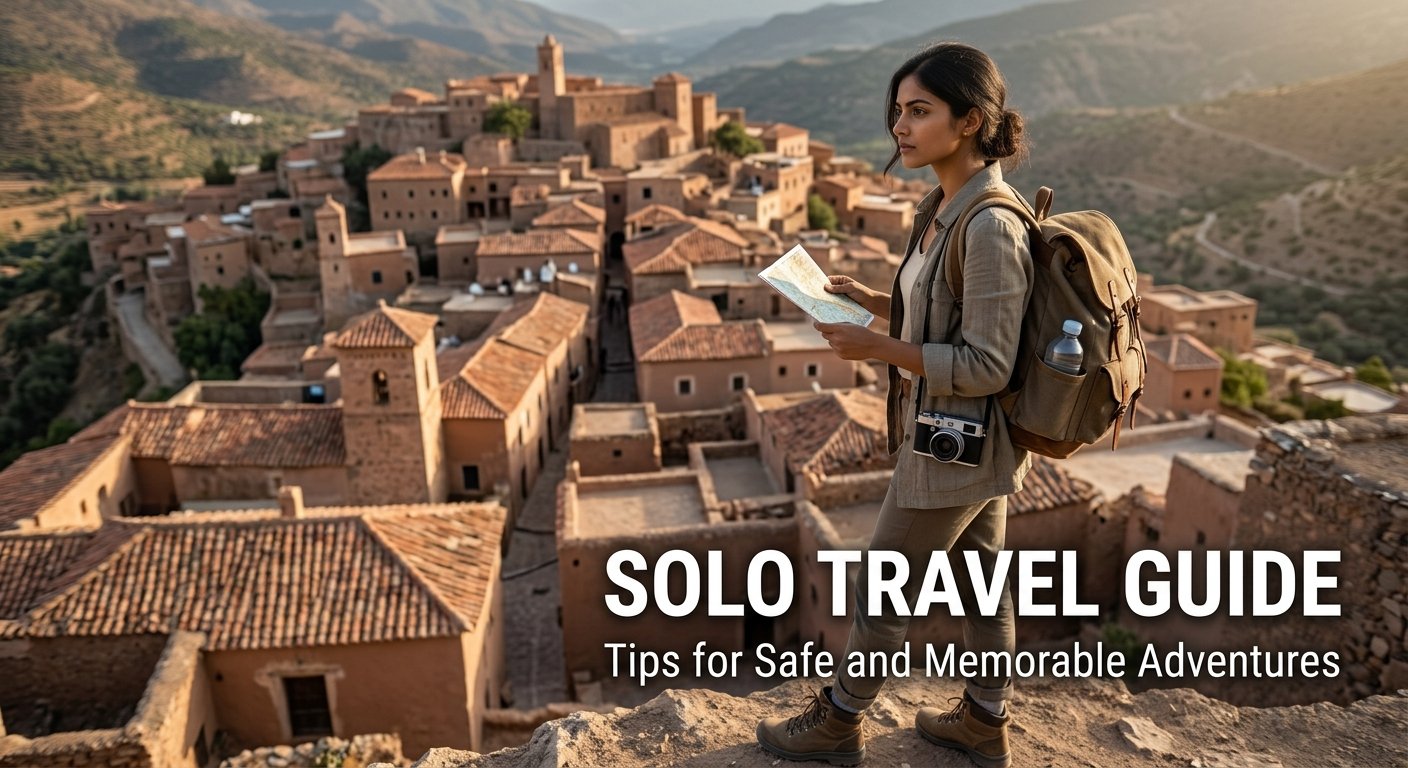
Introduction
Solo travel is one of the most exciting ways to explore the world. It gives you the freedom to visit new places, discover different cultures, meet interesting people, and enjoy new experiences at your own pace. Whether you are planning a short weekend trip or a longer holiday, travelling alone can help you become more independent, confident, and organized.
Many people think solo travel is difficult or risky, especially for beginners. However, with proper planning and sensible safety precautions, it can be an enjoyable and rewarding experience. You do not need to be an experienced traveller to start exploring on your own. You simply need to choose a suitable destination, prepare carefully, and stay aware of your surroundings.
In this guide, you will discover practical solo travel tips, including how to choose a destination, plan your budget, arrange accommodation, stay safe, meet new people, and make unforgettable memories during your journey.
1. Choose the Right Destination for Your First Solo Trip
Choosing the right destination is one of the most important steps when planning a solo adventure. For your first trip, it is better to select a place that is easy to explore, has reliable transportation, and offers visitor-friendly facilities.
Start by researching destinations that match your interests. If you enjoy nature, you might prefer mountains, lakes, beaches, or peaceful countryside locations. If you enjoy history and culture, consider cities with museums, historical buildings, and cultural attractions.
Before making a decision, check the following factors:
- General safety and local travel conditions.
- Availability of public transportation.
- Accommodation options.
- Local language and communication.
- Weather conditions during your visit.
- Travel costs and available facilities.
A nearby destination can be an excellent starting point. You can first try a short daytime trip to a familiar city or tourist attraction before planning a longer journey.
2. Research Your Destination Before Travelling
Good research helps you understand what to expect during your trip. Before leaving, learn about the destination’s popular attractions, local customs, transportation system, and important facilities.
Search for reliable travel information and read recent reviews from other visitors. Check official tourism websites for updated information about attractions, entry requirements, and local travel guidance.
It is also useful to identify important locations before arriving, such as:
- Your accommodation.
- Nearby restaurants and grocery stores.
- Tourist information centres.
- Public transportation stations.
- Hospitals and pharmacies.
- Police stations and emergency services.
Save important addresses and contact numbers on your phone. Keep an offline copy of essential information in case your internet connection becomes unavailable.
3. Create a Realistic Travel Budget
Budget planning is essential for a successful solo trip. When travelling alone, you may need to manage all expenses yourself, so it is important to understand how much money you can comfortably spend.
Start by estimating your main travel costs. These usually include transportation, accommodation, meals, sightseeing, local travel, and other personal expenses.
Create a simple budget before booking anything. Compare different transportation and accommodation options instead of choosing the first available option.
Some useful money-saving ideas include:
- Book transportation in advance when prices are reasonable.
- Compare accommodation prices and reviews.
- Choose affordable local food options.
- Visit free museums, parks, and public attractions.
- Use public transportation where it is safe and convenient.
- Keep a small emergency fund separate from your daily spending money.
Avoid spending your entire budget on the first few days. Divide your money according to the length of your journey and keep track of your expenses.
4. Book Safe and Comfortable Accommodation
Accommodation plays an important role in solo travel. A comfortable and secure place to stay can make your entire experience more enjoyable.
Before booking a hotel, guesthouse, or other accommodation, read recent reviews carefully. Pay attention to comments about cleanliness, staff behaviour, location, security, and transportation access.
Consider accommodation that is:
- Located in a well-known and convenient area.
- Close to public transportation.
- Properly reviewed by previous guests.
- Equipped with secure entry arrangements.
- Easy to reach from major transport stations.
Do not select accommodation based only on the lowest price. A slightly more expensive place in a suitable location may save time and provide greater peace of mind.
Once your booking is confirmed, save the address and reservation details. Share your accommodation information with a trusted family member or friend.
5. Pack Smart and Carry Only Essential Items
Packing properly can make solo travel much easier. Since you will be managing your own luggage, avoid carrying unnecessary items.
Make a packing list before starting. Choose comfortable clothes according to the weather and activities you have planned.
Some important travel essentials include:
- Identification documents.
- Booking confirmations and travel tickets.
- Mobile phone and charger.
- Power bank.
- Comfortable walking shoes.
- Basic toiletries.
- Weather-appropriate clothing.
- Reusable water bottle.
- Small first-aid kit.
- Emergency contact information.
Keep valuable documents and important belongings secure. It is also helpful to keep digital copies of important documents in a secure location.
Try to use a comfortable backpack or suitcase that you can manage without difficulty. Packing light gives you more freedom to move around and makes changing transportation easier.
6. Keep Your Family or Friends Informed
When travelling alone, communication is an important part of staying safe. Before starting your journey, tell a trusted family member or friend about your travel plans.
Share your basic itinerary, accommodation details, and expected travel dates. Let them know when you arrive at your destination and if your plans change significantly.
You can also arrange regular check-ins during the trip. For example, send a short message after reaching your accommodation or completing a long journey.
Keep your phone charged and make sure you know how to contact someone if you need assistance.
Staying connected does not mean you cannot enjoy independence. It simply provides an additional layer of safety and reassurance.
7. Stay Aware of Your Surroundings
Being aware of your surroundings is one of the most useful habits for solo travellers. Pay attention to the people, places, and activities around you, especially in unfamiliar areas.
Avoid walking through isolated locations without a clear reason. If an area feels uncomfortable or unsafe, leave and move towards a busy public place.
A few simple habits can help:
- Keep your belongings close.
- Avoid displaying expensive items unnecessarily.
- Stay alert when using your phone in public.
- Check your route before leaving.
- Use well-known transportation services.
- Avoid accepting unexpected travel offers from strangers.
Trust your judgment. If something does not feel right, you do not need to continue with the situation.
8. Plan Your Transportation in Advance
Transportation can be challenging when travelling alone, particularly in an unfamiliar city. Planning your routes ahead of time can help you avoid confusion and unnecessary delays.
Research the available transportation options, such as buses, trains, official taxis, and other reliable services.
Before using public transportation, learn how to purchase tickets, check schedules, and identify the correct stations. Keep your destination address saved so you can show it when necessary.
For longer journeys, confirm your departure time and arrival location in advance. Allow extra time for delays and keep your important belongings secure.
Avoid getting into unmarked or unofficial vehicles. Use trusted transportation providers and share your journey details with someone you trust when appropriate.
9. Learn Basic Local Language and Customs
Learning a few basic phrases in the local language can make your trip more enjoyable. You do not need to become fluent, but simple words can help you communicate with local people.
Useful phrases include:
- Hello.
- Thank you.
- Please.
- Excuse me.
- Where is the bus station?
- How much does this cost?
- Can you help me?
Also, learn about local customs and traditions before arriving. Different places may have different expectations regarding clothing, greetings, public behaviour, and photography.
Respecting local culture helps you communicate politely and enjoy a more meaningful travel experience.
10. Meet New People Carefully
One of the enjoyable parts of travelling is meeting people from different backgrounds. Solo travel can provide opportunities to talk with other visitors, join group activities, and learn about local culture.
You can meet people through organized sightseeing tours, public cultural events, educational activities, and group travel experiences.
However, always use good judgment when interacting with strangers. Meet new people in public places and avoid sharing personal information such as your home address, private contact details, or travel arrangements with people you do not know well.
You should never feel pressured to accept an invitation or continue a conversation. It is perfectly fine to politely say no.
11. Enjoy Local Food and Culture
Food is an important part of discovering a new destination. Trying traditional dishes can help you understand the culture and lifestyle of the local community.
Research popular local foods before your trip. Read reviews and choose clean, well-reviewed restaurants or food establishments.
If you have dietary preferences or allergies, learn how to explain them in the local language. Check food ingredients when necessary.
You can also explore local culture through:
- Traditional markets.
- Museums and art galleries.
- Historical buildings.
- Cultural festivals.
- Local music and performances.
- Traditional crafts and shopping areas.
Be respectful when photographing people, religious places, or private property. Ask permission whenever appropriate.
12. Use Technology to Make Travel Easier
Technology can make solo travel more organized and convenient. Your smartphone can help you navigate unfamiliar places, manage bookings, communicate with others, and find useful information.
Some helpful digital tools include:
- Map applications for directions.
- Translation applications for communication.
- Weather applications for forecasts.
- Official transportation applications.
- Travel booking platforms.
- Digital notes for saving important information.
Download offline maps before leaving your accommodation, especially if you expect limited internet access.
Protect your personal information by using strong passwords and avoiding sensitive activities on unsecured public Wi-Fi networks.
Keep your phone updated and make sure you know how to access important information if your battery runs low.
13. Keep Important Documents Safe
Travel documents are essential, so protecting them should be a priority. Depending on your destination, you may need identification, tickets, reservations, permits, or a passport.
Before travelling, check which documents are required and make sure they are valid.
Keep original documents in a secure place and carry only what you need during daily activities. Save digital copies separately so you can access important details if necessary.
Do not share photographs of sensitive documents publicly or send them to unknown people.
If you are travelling internationally, research entry requirements, visa rules, and travel regulations through official government sources before booking your journey.
14. Prepare for Unexpected Situations
Even well-planned trips can include unexpected changes. Transportation may be delayed, weather conditions may change, or an attraction may close unexpectedly.
The best approach is to stay calm and have a backup plan.
Keep emergency contact numbers available and identify nearby public assistance facilities. Maintain some extra money for unexpected expenses and avoid depending on a single payment method.
If you lose an important document or experience a serious problem, contact the relevant official authorities or service provider for help.
It is also wise to have travel insurance when appropriate, especially for international journeys. Read the coverage details carefully so you understand what is included and excluded.
15. Make a Flexible Daily Itinerary
A daily itinerary helps you organize your activities and make better use of your time. However, your schedule should not be so crowded that you cannot enjoy the journey.
Choose two or three main activities for each day and leave some free time for unexpected discoveries.
For example, a simple city exploration day might include visiting a historical attraction in the morning, enjoying lunch at a local restaurant, and spending the afternoon at a public park or museum.
Check opening hours and ticket requirements before visiting popular attractions.
A flexible schedule allows you to enjoy your surroundings without feeling rushed. It also makes it easier to adjust your plans if the weather or transportation conditions change.
16. Take Photos and Record Your Memories
Solo travel creates opportunities to collect meaningful memories. Photography is a simple way to remember beautiful places, interesting experiences, and special moments.
Take pictures of landscapes, buildings, food, local markets, and other attractions. You can also keep a small travel journal to record what you learned and enjoyed each day.
However, do not spend your entire trip looking through a camera or phone screen. Take time to enjoy the experience directly.
Be careful when using your phone in crowded areas and avoid sharing your live location or detailed travel schedule publicly.
Your best memories will often come from experiences rather than photographs.
17. Manage Your Time and Energy
Travelling can involve long walks, changing transportation, and exploring unfamiliar locations. It is important to manage your time and energy throughout the journey.
Avoid planning too many activities in one day. Include breaks for meals, rest, and personal time.
Wear comfortable clothing and shoes suitable for your activities. Check the weather forecast and prepare accordingly.
If you feel tired, adjust your plans rather than forcing yourself to complete every activity.
A successful solo trip is not about visiting the largest number of places. It is about enjoying the journey at a comfortable pace.
18. Respect Nature and Local Communities
Responsible travel helps protect destinations for future visitors and local communities.
When visiting natural attractions, follow marked paths and respect safety signs. Do not leave rubbish behind, disturb wildlife, or damage plants.
Support local businesses when possible by purchasing appropriate local products and choosing responsible tourism services.
Respect the privacy of residents and follow local rules at religious, historical, and cultural sites.
Small responsible actions can make a positive difference and help preserve the beauty of the places you visit.
19. Learn from Every Travel Experience
Every journey teaches something new. You may learn how to manage your budget, communicate with different people, organize transportation, or solve unexpected problems.
After completing your trip, take some time to think about your experience.
Ask yourself:
- Which activities did I enjoy most?
- Was my budget realistic?
- Did I pack the right items?
- Which arrangements could be improved?
- What would I like to explore next time?
You can write down useful lessons and keep them for future journeys. Each experience can help you become a more organized and confident traveller.
20. Start with Small Solo Adventures
If you are new to solo travel, you do not need to begin with a long international journey. Starting small is a practical way to build experience.
You might begin with a daytime visit to a nearby tourist attraction, a museum, or a well-known public place.
Plan your transportation, tell someone you trust about your schedule, and return at the planned time.
As you become more familiar with travelling independently, you can consider longer trips with suitable planning and support.
For younger travellers, it is especially important to follow family guidance, age-related travel rules, and accommodation requirements. Some hotels, transport providers, and tour services have minimum-age policies, so check these before making arrangements.
Conclusion
Solo travel can be an exciting opportunity to discover new destinations, learn about different cultures, and develop valuable life skills. It gives you the chance to explore at your own pace while becoming more independent and organized.
However, a memorable journey begins with careful preparation. Choose a suitable destination, create a realistic budget, book reliable accommodation, pack essential items, and keep trusted people informed about your plans. Stay aware of your surroundings, respect local customs, and prepare for unexpected situations.
You do not need to travel far to enjoy a meaningful adventure. Even a short trip to a nearby destination can provide valuable experiences and wonderful memories.
With sensible planning, responsible decisions, and a flexible attitude, solo travel can become a rewarding way to explore the world one destination at a time.
URL Slug: solo-travel-guide-safe-memorable-adventures
Leave a Reply